
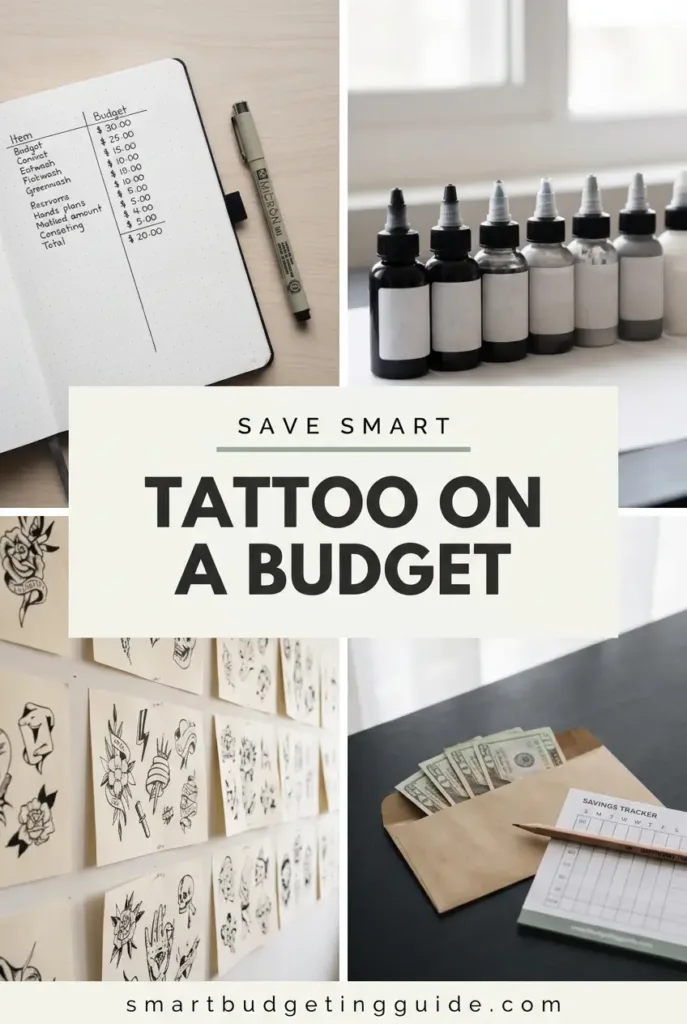
The quote comes back and it is three times what you had in your head. That moment sends a lot of people straight to the cheapest studio in town, which is almost always the wrong move. Getting a tattoo on a budget is a spending problem, not a quality problem, and the two get confused constantly.
A tattoo sits in an odd spot financially: it costs about what a good mattress costs, but unlike a mattress you cannot replace it in eight years. That combination is exactly why the standard smart spending approach of cutting unnecessary expenses applies so cleanly here. Strip out the costs that add nothing to the finished result, and protect the ones that determine whether you like it in ten years. Below are 11 places the money can genuinely come out, and three places it absolutely should not.
Jump to Any Money-Saving Move
- Set the Full Budget Before You Book
- What Shop Minimums Really Cover
- Design for Size and Placement, Not Just Style
- Clean Line Work Over Heavy Shading
- Black and Grey Over Full Color
- Fewer, Longer Sessions Save Real Money
- Flash Days, Guest Spots, and Studio Events
- Should You Book an Apprentice Artist?
- Never Save on Hygiene, Licensing, or Ink
- Fund It With a Sinking Fund, Not a Payment Plan
- Aftercare and Touch-Ups Belong in the Budget
Set the Full Budget Before You Book

The number you should walk in with is not the price of the tattoo. It is the price of the whole event, and people consistently underestimate it by twenty to thirty percent because they only count the artist’s quote. A piece quoted at $400 is realistically $500 to $550 by the time you are home.
- The deposit – usually $50 to $150, normally deducted from the final price, but forfeited if you no-show
- The tip – customary in most of North America at roughly 15 to 20 percent, and not optional in practice
- The invisible costs – parking, travel, aftercare supplies, and any unpaid hours you take off work
Write the ceiling down before you start browsing portfolios, not after. Falling in love with a design first and then reverse-engineering a budget around it is how people end up financing ink. If money is genuinely tight right now, the same discipline that works for budgeting when money is tight applies here: decide the number first, then shop inside it.
What Shop Minimums Really Cover
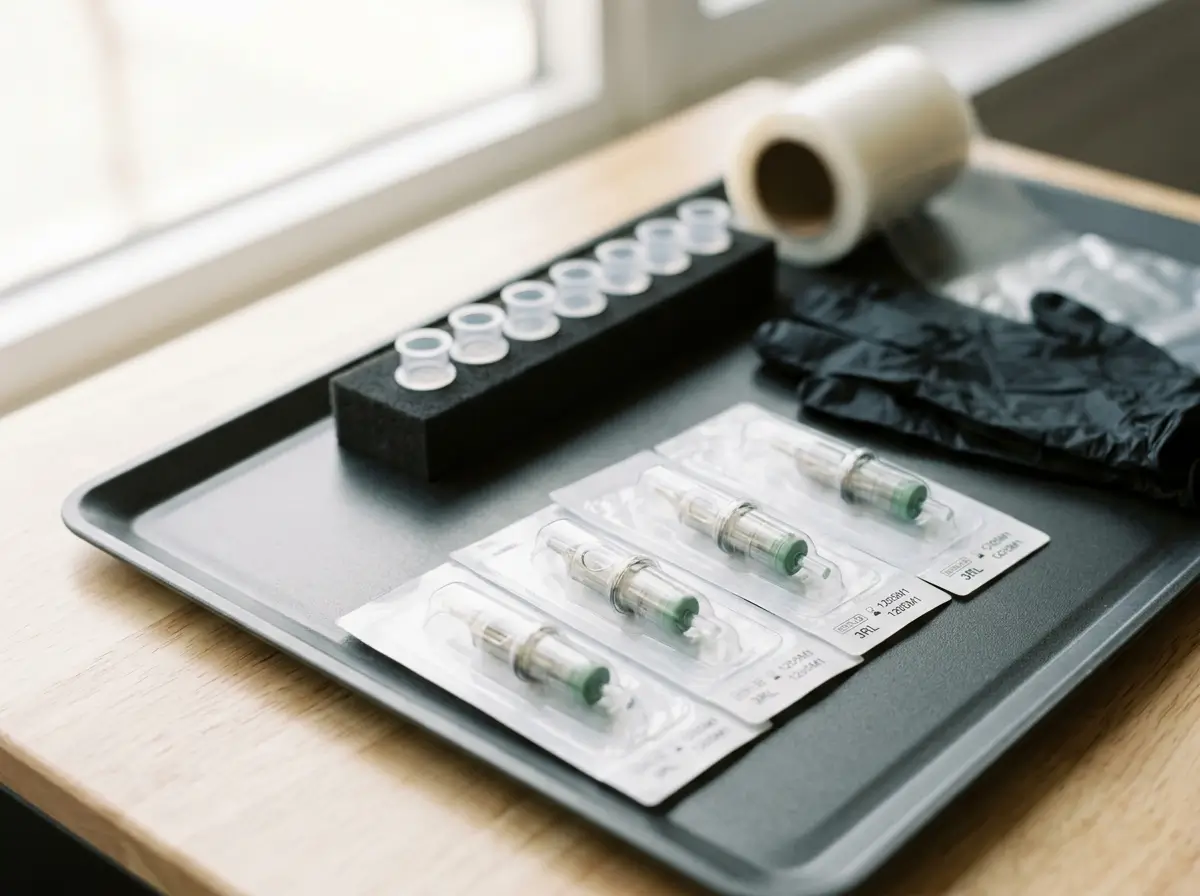
Almost every studio has a floor price, commonly somewhere around $80 to $150, and it applies whether your design is the size of a coin or a coaster. That surprises people, and it is where a lot of unnecessary friction starts.
The minimum is not padding. It covers a fresh set of single-use needle cartridges, ink, tubes, barrier film, gloves, sterilization, and the fixed cost of holding a licensed station open for an hour. Hourly rates on top of that commonly run from around $100 for a newer artist to $250 and up for someone with a waiting list. None of that scales down neatly just because your design is small.
Ask for the shop minimum and the hourly rate in your first message. A studio that answers plainly is one you can plan around. A studio that dodges the question is one where the final bill tends to arrive as a surprise.
Design for Size and Placement, Not Just Style
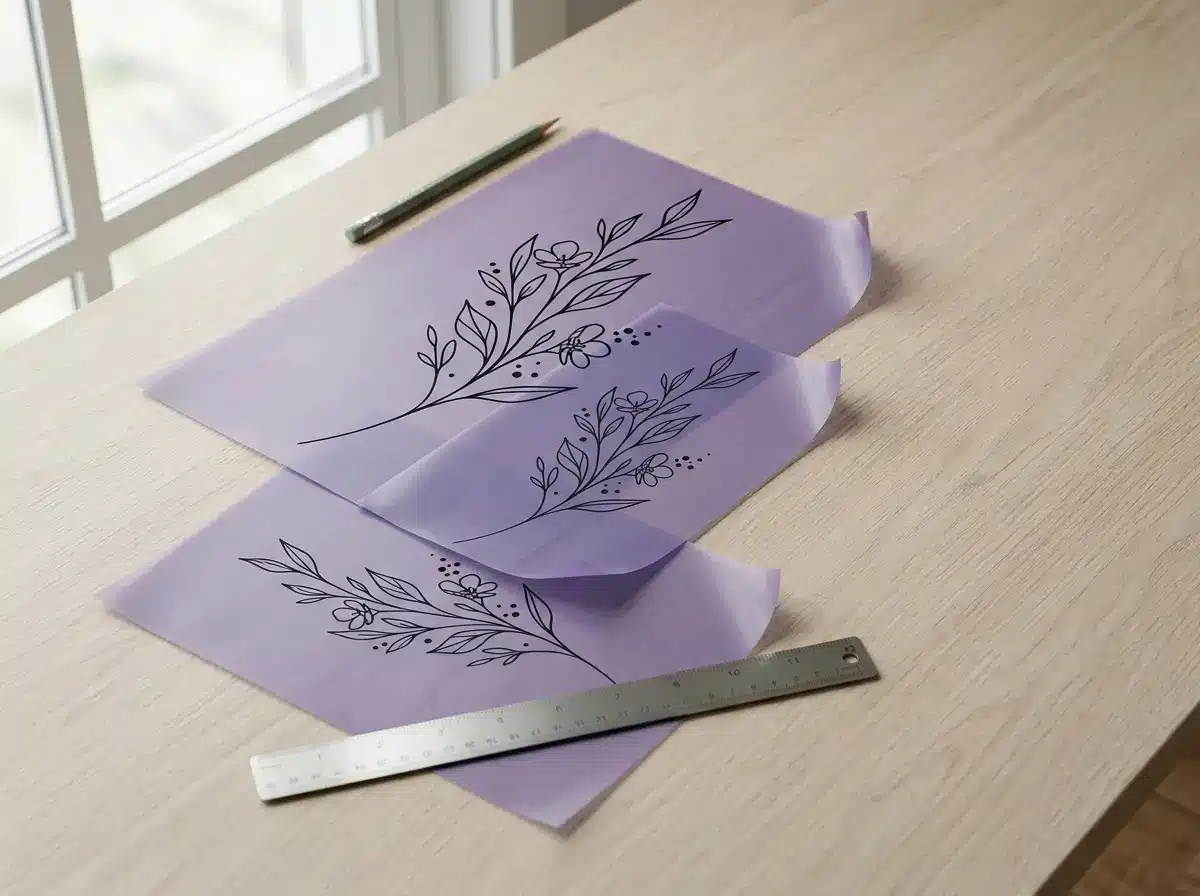
Size moves the price more than style does. Because you are buying hours rather than square inches, shrinking a design by thirty percent can be the difference between a two-hour sitting and a four-hour one, and the design usually still reads perfectly at the smaller scale.
Placement is the lever nobody mentions. Ribs, sternum, hands, feet, and the inner elbow all take longer to tattoo because the skin is awkward, the pain is worse, and pain means breaks. A flat forearm, outer bicep, or calf is faster to work on, holds ink better, and heals more predictably. The same design can differ by an hour of labour depending purely on where it goes.
Ask this exactly: “What would this cost at eighty percent size, on my forearm instead?” Artists quote that revision happily. It is the single highest-value question in the consultation, and it is the same instinct behind eliminating wasted expenses anywhere else in your budget.
Clean Line Work Over Heavy Shading
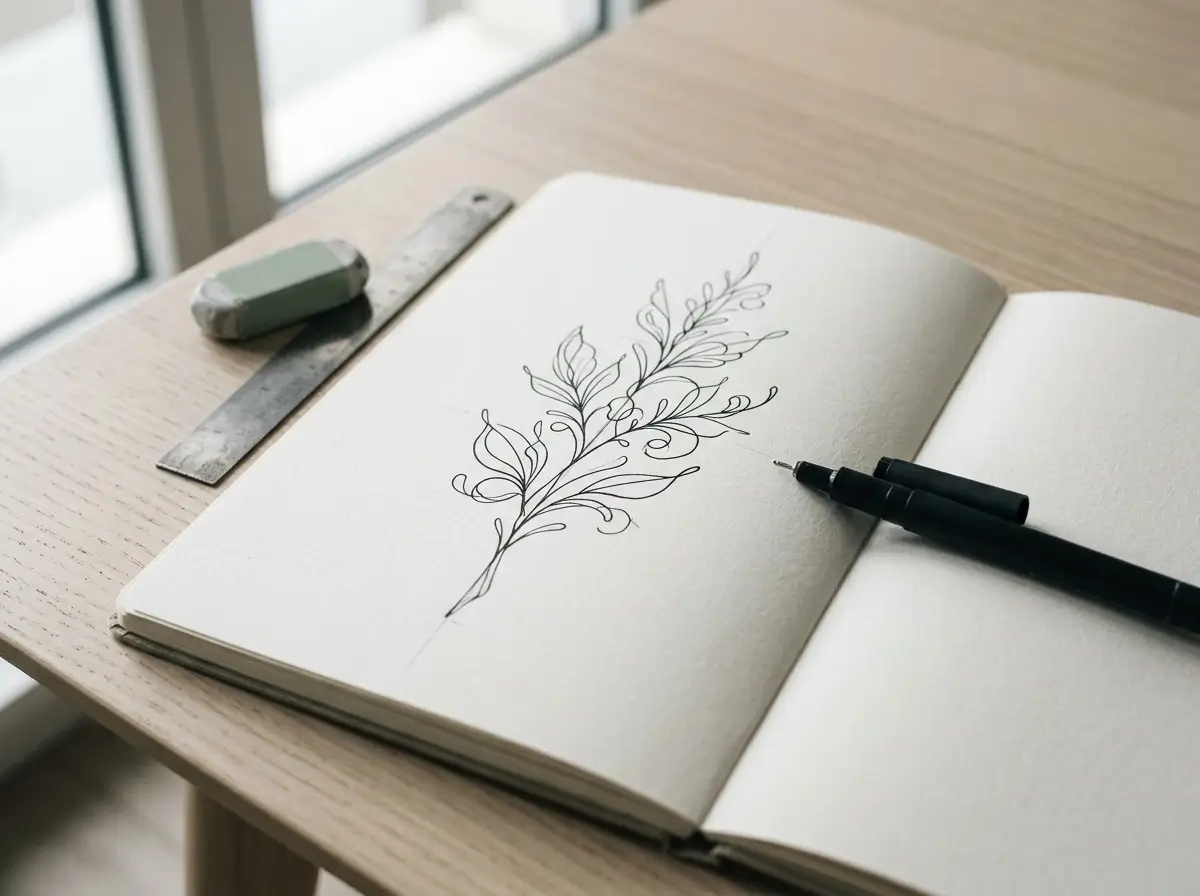
Outlines are fast. Filling is slow. A clean linework piece that takes an hour can become a three or four hour sitting once you add solid black fill and smooth gradients, and the price moves with it almost exactly.
- Solid black fill – requires multiple passes over the same skin to look even
- Smooth gradient shading – the slowest technique per square inch in the whole craft
- Dense stippling or texture – beautiful, and priced by the hour like everything else
This is not a downgrade. Fine-line and illustrative linework are two of the most requested styles in the world right now, and a well-drawn linework tattoo ages more gracefully than mediocre shading. Ask your artist to quote both versions side by side and decide with real numbers in front of you.
Black and Grey Over Full Color
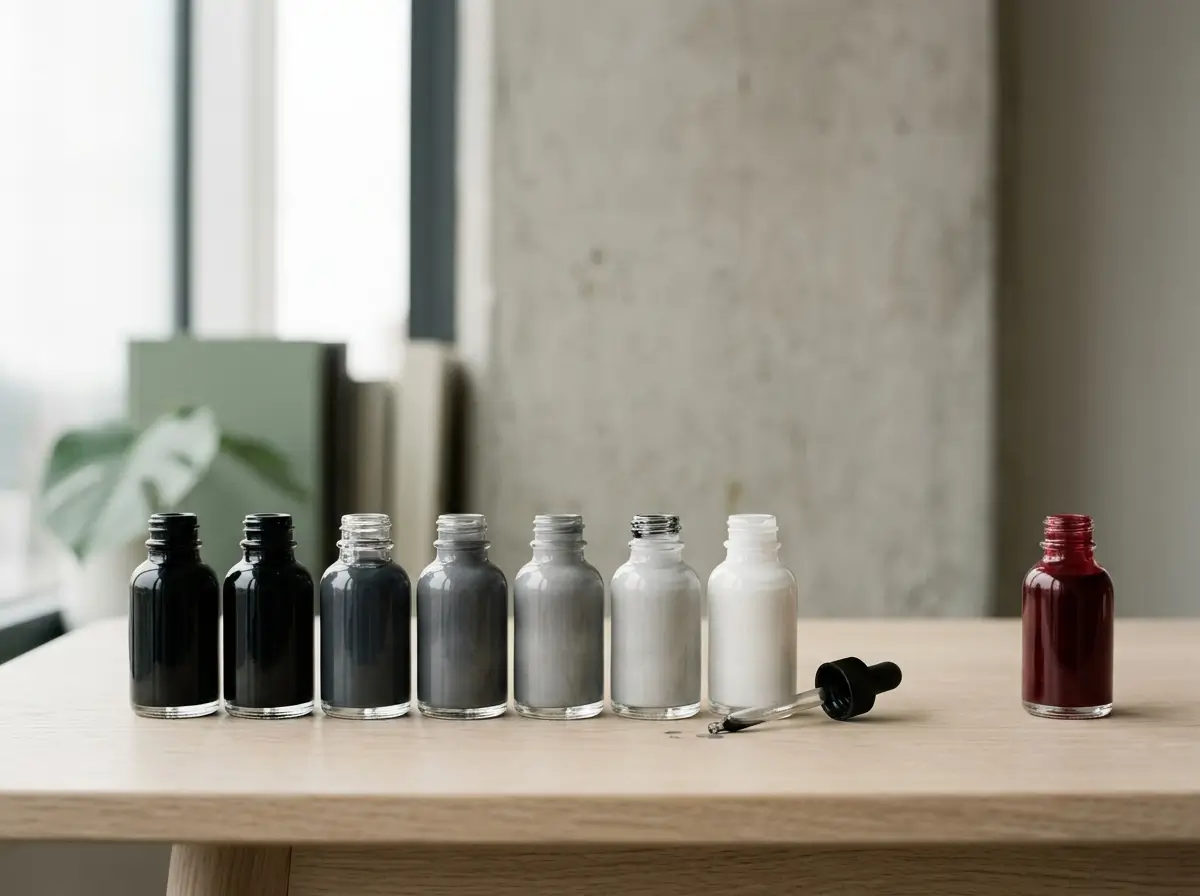
Color is the most expensive decision on the list, and the cost is charged twice. Packing color takes repeated passes to reach saturation, which stretches the session, and color pigments typically fade faster than black, which means touch-ups sooner. You pay for it now and again in three years.
Black and grey costs less, heals more reliably across a wider range of skin tones, and holds its contrast for longer with basic sun protection. If you cannot let go of color entirely, a single accent shade inside an otherwise black and grey piece gets you most of the visual impact for a fraction of the added time.
Fewer, Longer Sessions Save Real Money
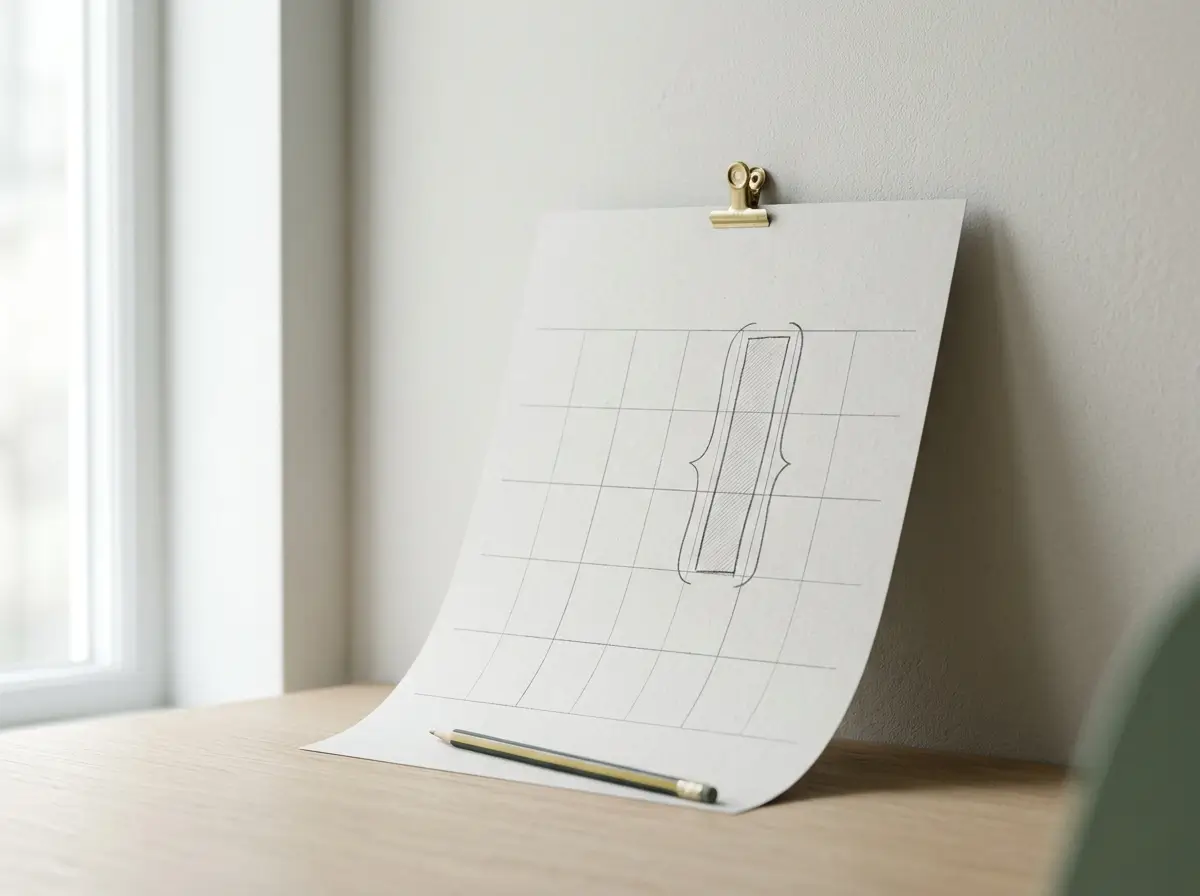
Three ninety-minute appointments cost more than one four-hour appointment covering the same work. Each visit carries its own setup, its own consumables, sometimes its own minimum, and always its own travel, parking, and time away from work. Three sessions means paying those overheads three times.
Many artists also offer a day rate for a full or half day, which usually works out cheaper per hour than their standard rate because a solid block of booked time is worth more to them than scattered slots. It rarely appears on a price list, so you have to ask.
Eat properly beforehand and sleep well the night before. Sitting badly is what turns a planned single session into two, and that is a genuinely avoidable cost.
Flash Days, Guest Spots, and Studio Events
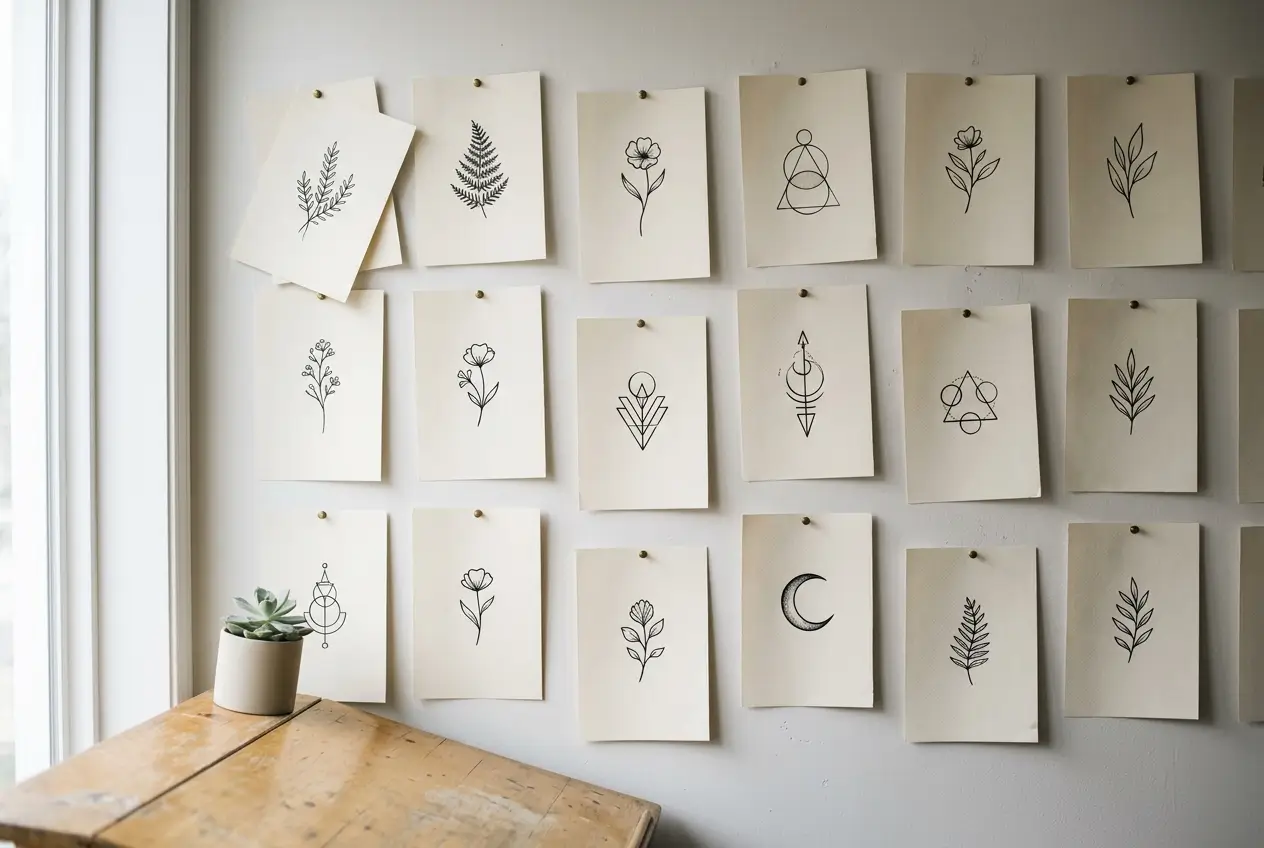
Flash is pre-drawn work offered at a fixed price, and it is the closest thing to a genuine discount in this industry. Nobody is cutting corners: the artist has already done the design work, knows exactly how long the piece takes, and often enjoys tattooing their own drawings more than a stranger’s Pinterest screenshot.
- Flash days – Friday the 13th, shop anniversaries, and holiday events, usually first-come and fast-moving
- Guest artists – travelling artists sometimes price to fill an empty week in an unfamiliar city
- Cancellation slots – a last-minute opening the artist would rather fill than lose entirely
The trade-off is customization: you take the design as drawn, with minor tweaks at most. These are almost always announced on Instagram rather than on studio websites, so following the three or four shops you would actually book with is the whole strategy. It is the same habit that makes hidden deals and discounts work in any other spending category, applied to ink.
Should You Book an Apprentice Artist?
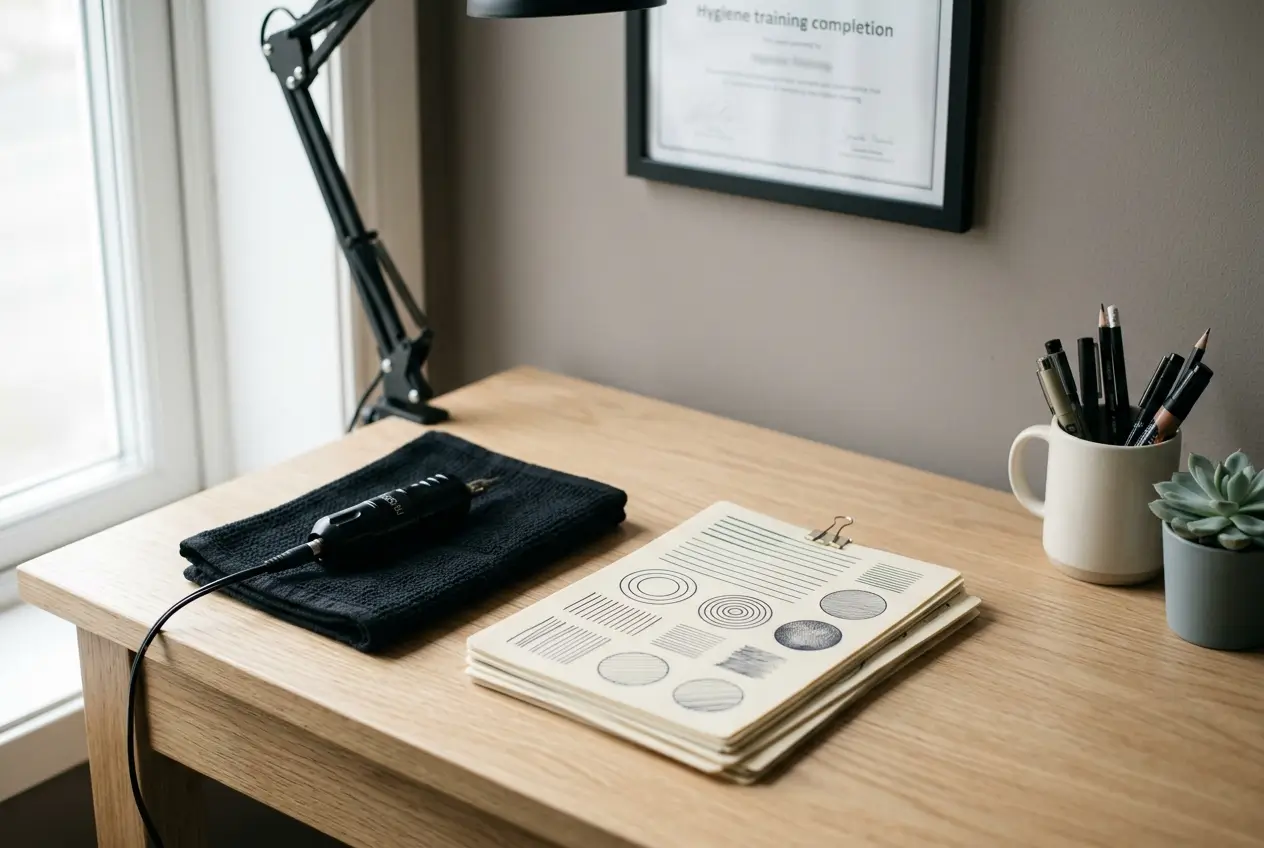
Often yes, with conditions. An apprentice inside a reputable licensed studio works under a mentor’s supervision, charges substantially less than the resident artists, and is frequently more careful than an experienced artist on autopilot, because their reputation is being built one piece at a time.
What matters is the studio around them, not the discount. Confirm the shop is licensed and inspected, that a mentor is on the floor, and that the apprentice’s portfolio includes healed photographs at six months or more, not just glossy shots taken ten minutes after the stencil came off. Healed work is where technique actually shows.
Realistic limits: apprentices work more slowly, have a narrower stylistic range, and are the wrong call for a large cover-up or a complex portrait. Simple linework, small botanicals, and lettering are exactly where they shine.
Never Save on Hygiene, Licensing, or Ink
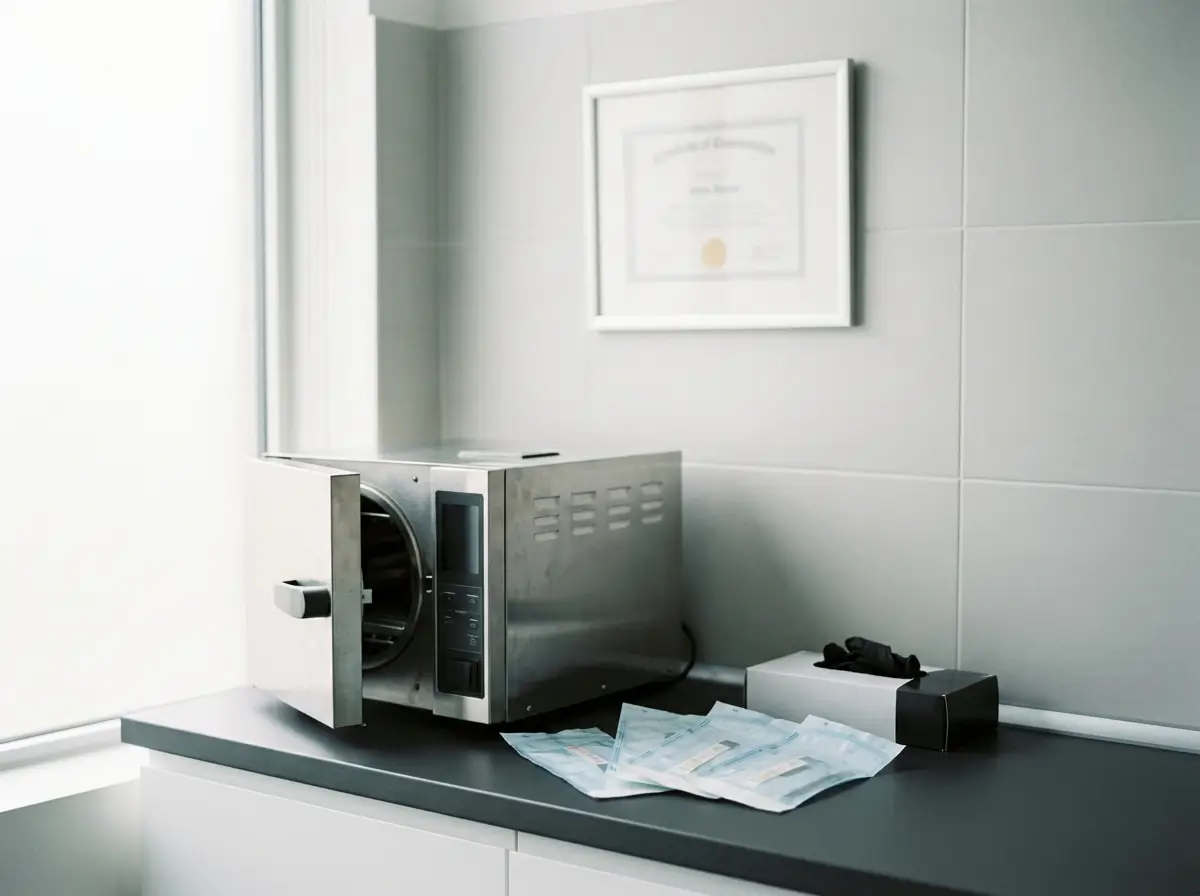
This is the line, and it is worth being blunt about it. The real cost of a bad tattoo is never the tattoo. Laser removal typically takes many sessions spread over a year or more and routinely costs several times the original price, and a cover-up means paying a second artist to solve a problem you paid to create. A skin infection costs money and health at once.
- A licensed, inspected studio with the certificate visible on the wall
- Sealed single-use needles opened in front of you, fresh gloves, wrapped surfaces
- Reputable branded ink, and an artist who will tell you which brand without hesitating
The rule: if a quote comes in dramatically below every other studio in your city, that gap is being paid for somewhere. Usually it is the sterilization protocol, the ink, or the fact that nobody is licensed. Walk away, and never accept a kitchen-table tattoo to save money.
Fund It With a Sinking Fund, Not a Payment Plan
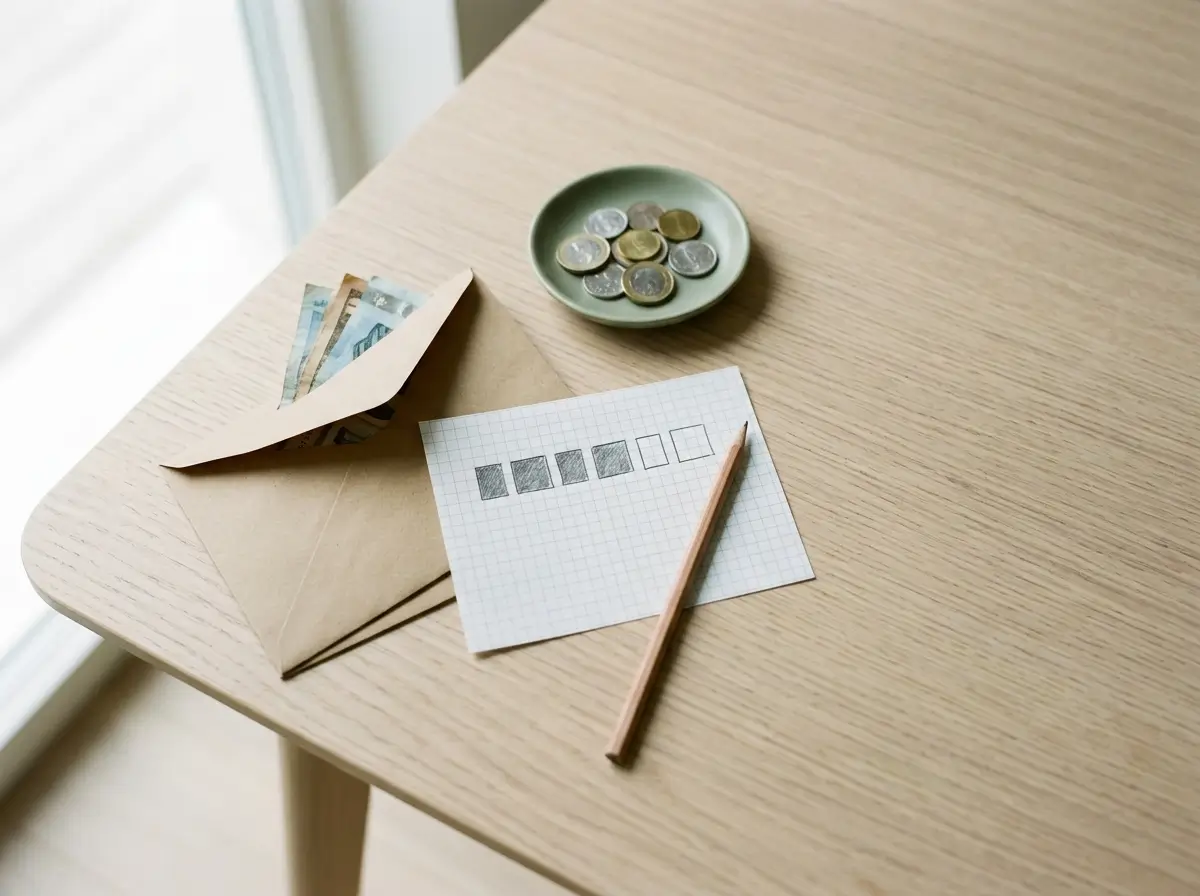
Buy-now-pay-later has arrived in tattoo studios, and it is the most expensive way to get exactly the same tattoo. Interest and late fees attach to something that will never resell, never appreciate, and cannot be repossessed, which is a poor trade in every direction.
A sinking fund does the same job for less. Set up an automatic transfer on payday into a separate account and let the balance build: $75 a month for six months puts $450 in place with no financing cost attached. The waiting period is a bonus feature rather than a delay, because designs you still want six months later are the ones you keep liking at forty. If you want more ways to free up that monthly transfer, these frugal living tips for saving big are a reasonable place to find it.
Aftercare and Touch-Ups Belong in the Budget

The last line item is small and gets skipped constantly, which is how a $600 tattoo turns into a $600 tattoo plus a paid rework. Healing is the part of the process you control entirely, and it costs about the price of a takeaway meal.
- Fragrance-free gentle cleanser – a basic drugstore one is fine, the expensive tattoo-branded version is not required
- A thin healing ointment or balm – applied sparingly, following whatever your artist actually told you
- Mineral sunscreen, forever – sun exposure is the main reason tattoos need expensive rework
Ask about the touch-up policy before you book. Many artists include one free touch-up within a set window, typically a few months, provided you followed the aftercare instructions. That is real money sitting on the table, and it goes unclaimed constantly simply because nobody asked what the policy was.
More You’ll Like
- Budget-friendly DIY home decor projects – the same design-first, spend-second logic applied to a room
- Cheap living room decor ideas – where to save and where quality is worth paying for at home
Tattoo Budget FAQ
How much should I budget for a first tattoo?
For a small to medium linework piece at a licensed studio, planning for $200 to $450 all in, tip and aftercare included, is realistic in most cities. Rates vary widely by region and by artist demand, so treat that as a starting frame and confirm the shop minimum and hourly rate before you commit.
Is it rude to ask a tattoo artist for a discount?
Asking for a discount lands badly. Asking how to fit the design into a budget lands well. “I have $350 to work with, what would you recommend at that number?” gives the artist room to adjust size, detail, or placement, and most will meet you there happily. Haggling over the hourly rate rarely goes anywhere.
Are cheap tattoos always bad tattoos?
No. A small flash piece from an apprentice at a clean, licensed studio is inexpensive and can be excellent. What signals trouble is not a low price but a price that ignores the shop minimum, an unlicensed setting, or an artist with no healed work to show. Price alone is a weak signal; hygiene and healed portfolios are strong ones.
Should I still tip if I am on a tight budget?
Build the tip into the budget rather than treating it as optional. Where tipping is customary, the simplest fix is to book a slightly smaller piece and tip properly rather than a larger one and tip nothing. If a 15 to 20 percent tip does not fit, the tattoo itself does not fit yet.
Is it better to wait and save, or book now and pay it off?
Waiting almost always wins for a discretionary permanent purchase. Saving costs nothing, financing costs interest, and the delay quietly filters out designs you would have regretted. Nothing about a tattoo expires, and the artist you actually want probably has a waiting list anyway.
Spend Less, Not Worse
Getting a tattoo on a budget comes down to three moves that do the heaviest lifting: shrink the design rather than the standards, choose linework over heavy shading, and save into a sinking fund instead of financing. Everything else is refinement. Keep the hygiene, the licence, and the artist quality untouchable, and pick one number from your own budget this week to start the transfer.
This article is general information about managing a discretionary purchase, not personalized financial advice, and it is not medical guidance. Prices vary by region, artist, and studio, and any concerns about skin, healing, or allergies belong with a qualified professional.