


The sticker shock rarely comes from the dog. It comes from the third grooming appointment, the prescription food, the emergency visit you did not budget for. Plenty of people can comfortably afford a dog and still get blindsided, because the real cost of ownership hides in recurring line items rather than the adoption fee. That is exactly why some breeds are so much easier on a household budget than others.
This guide covers 15 affordable dog breeds that are genuinely inexpensive to own, feed, groom, and care for over a full year, not just cheap to acquire. Every breed below gets a Budget Snapshot with adoption cost, food, grooming, routine care, adult size, and an estimated annual cost, so you can compare them like line items instead of personalities. If you are already working on frugal living habits that actually stick, a dog does not have to undo that work.
Jump to Any Breed
- Chihuahua: The Smallest Food Bill
- Beagle, a Low-Grooming Family Hound
- Rat Terrier for Near-Zero Grooming Bills
- Dachshund on a Modest Monthly Budget
- Retired Racing Greyhound Adoption Savings
- Mixed-Breed Shelter Dogs Cost the Least
- Jack Russell Terrier for Active Households
- Australian Cattle Dog Built for Longevity
- Miniature Pinscher in a Small Apartment
- American Foxhound for Rural Budget Homes
- Whippet: Quiet, Clean, Cheap to Keep
- Toy Fox Terrier’s Low Lifetime Costs
- Plott Hound, an Overlooked Shelter Bargain
- Manchester Terrier for Wash-and-Go Coats
- Papillon: Small Dog, Small Vet Bills
What Actually Drives the Cost of Owning a Dog
Four things move the number more than anything else: body weight, coat type, breed-linked health risk, and how the dog came into your home. Weight sets the food bill and scales almost every medication dose, so a 60-pound dog costs meaningfully more to deworm and treat than a 10-pound one. Coat type decides whether grooming is a $0 line or an $80 salon visit every six weeks. Health risk determines how often you are in a waiting room. And acquisition route can swing the first year by more than a thousand dollars on its own.
Every figure in this article is a U.S. estimate for a healthy adult dog, and real costs vary a lot by region, clinic, and food brand. Treat the ranges as planning numbers, not quotes. The American Kennel Club’s lifetime spending estimates are a useful sanity check against your own math. If cash flow is the tight constraint right now, our guide to budgeting when money is tight pairs well with this one.
Chihuahua: The Smallest Food Bill
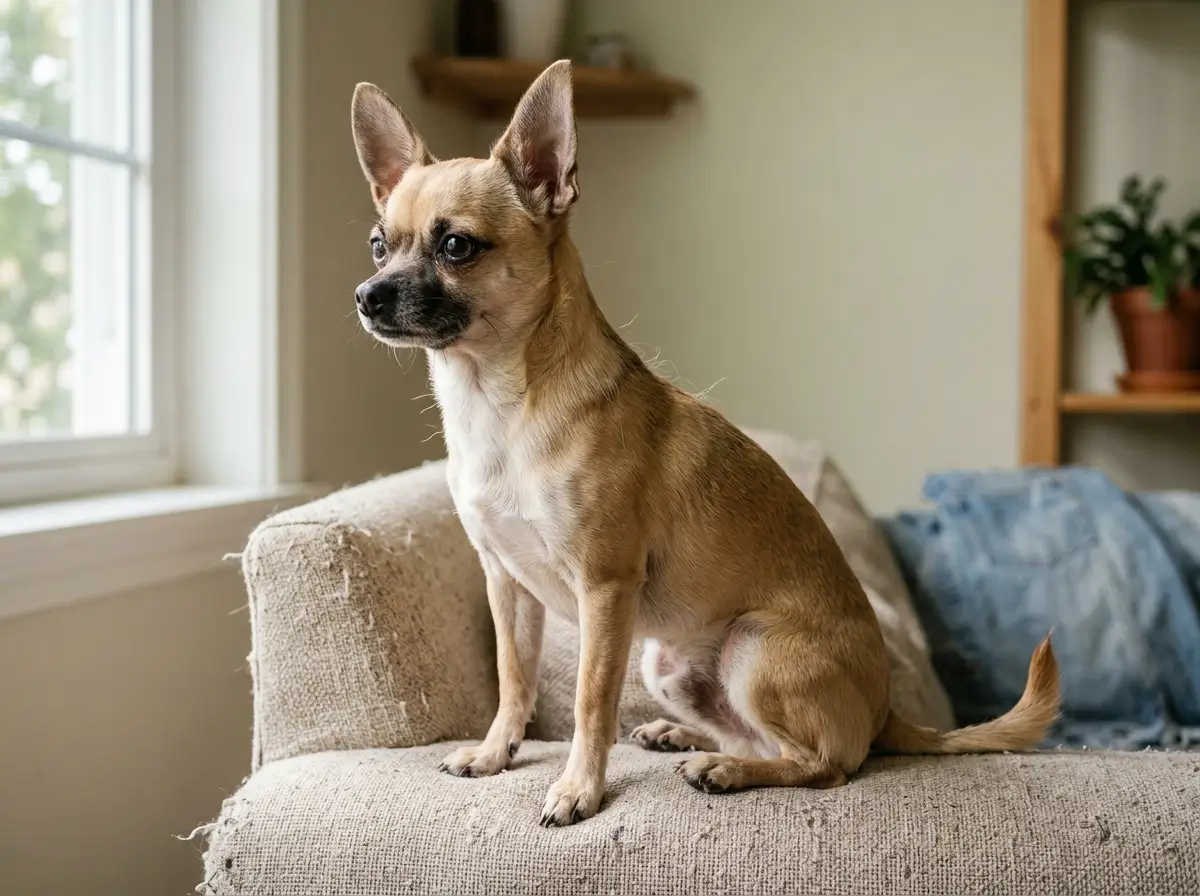
A full-grown Chihuahua eats roughly half a cup of food a day, which means a single mid-sized bag can last most of a season. That is the whole financial argument, and it is a strong one: food is the largest recurring expense for most dog owners, and this breed shrinks it to the smallest number on the list. Smooth-coat Chihuahuas need no professional grooming at all, and their supplies are cheap because everything is sized extra-small. The catch is dental. Small jaws crowd teeth, and periodontal disease is common enough that you should assume a cleaning every couple of years rather than hoping to avoid one.
- Initial cost: $75–$250 adoption; $500–$1,500 from a breeder
- Food: $12–$22 per month
- Grooming: $0–$50 per year, all at home
- Routine care: $350–$650 per year
- Adult size: 4–6 lb
- Estimated annual cost: $650–$1,100
- Best budget advantage: Tiny appetite and zero grooming bills
- Budget concern: Dental cleanings at $400–$900 a session
Beagle, a Low-Grooming Family Hound
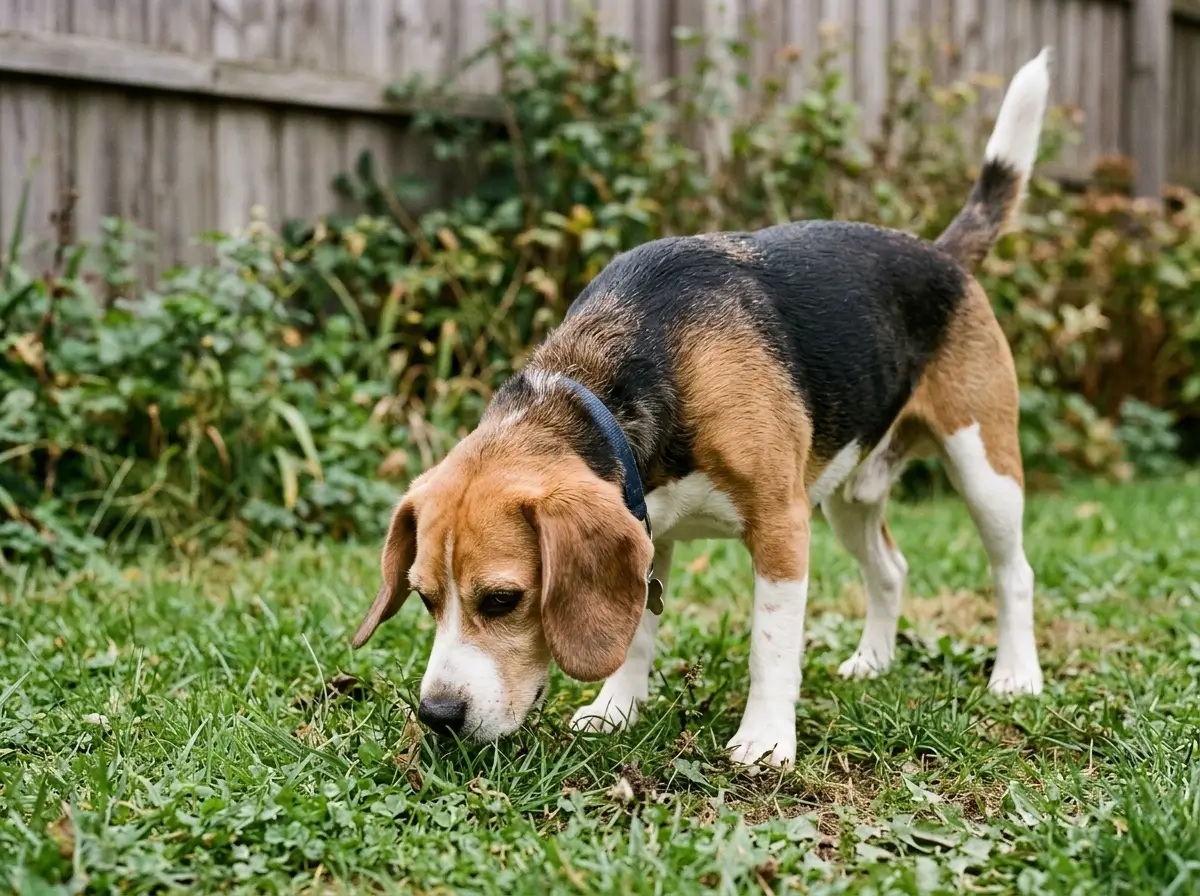
Beagles land on nearly every affordable-breed list for an unglamorous reason: almost nothing about them requires a specialist. The short, dense coat needs a rubber curry brush and a bath a few times a year. They are a genetically broad, widely bred population without the extreme conformation that drives surgical bills. At 20 to 30 pounds they sit in the food-cost sweet spot, big enough for a family and small enough that a large bag lasts weeks. The expensive Beagle is the overweight Beagle, because this breed will eat anything and gaining even three pounds accelerates joint problems.
- Initial cost: $100–$350 adoption; $600–$1,200 from a breeder
- Food: $25–$40 per month
- Grooming: $0–$60 per year
- Routine care: $400–$700 per year
- Adult size: 20–30 lb
- Estimated annual cost: $900–$1,400
- Best budget advantage: No professional grooming, common and easy to adopt
- Budget concern: Weight gain, plus secure fencing for a nose that wanders
Rat Terrier for Near-Zero Grooming Bills
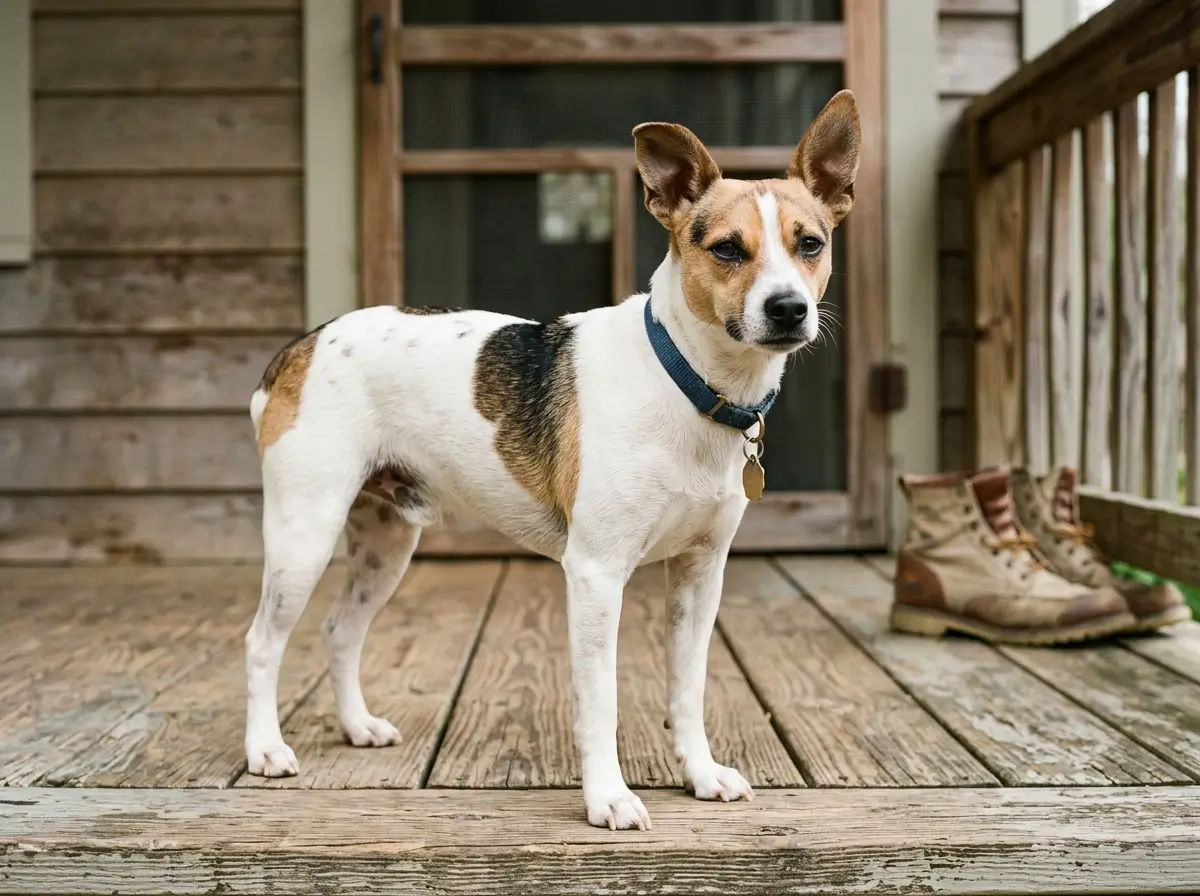
Nothing about a Rat Terrier’s coat costs money. It is short, tight, and self-maintaining, and a groomer would have very little to do beyond a nail trim you can learn to do yourself in ten minutes. What makes this breed genuinely cheap, though, is its health record. Rat Terriers were bred as working farm dogs from a wide gene pool, and they are among the more robust small breeds, frequently living 15 years or more with routine care only. The trade-off is mental, not financial: an under-stimulated Rat Terrier redecorates. Budget a little for puzzle feeders and a long daily walk, and you will avoid the replacement-furniture line item entirely.
- Initial cost: $100–$300 adoption; $500–$1,000 from a breeder
- Food: $18–$30 per month
- Grooming: $0–$40 per year
- Routine care: $350–$650 per year
- Adult size: 12–25 lb
- Estimated annual cost: $750–$1,200
- Best budget advantage: Hardy genetics and a coat that needs nothing
- Budget concern: Boredom-driven chewing if exercise is skipped
Recurring pet spending behaves like every other subscription in your budget, which means it responds to the same treatment. The same logic behind cutting unnecessary expenses applies here: buy food in the largest bag your storage allows, skip the boutique treats, and the annual number drops without the dog noticing.
Dachshund on a Modest Monthly Budget
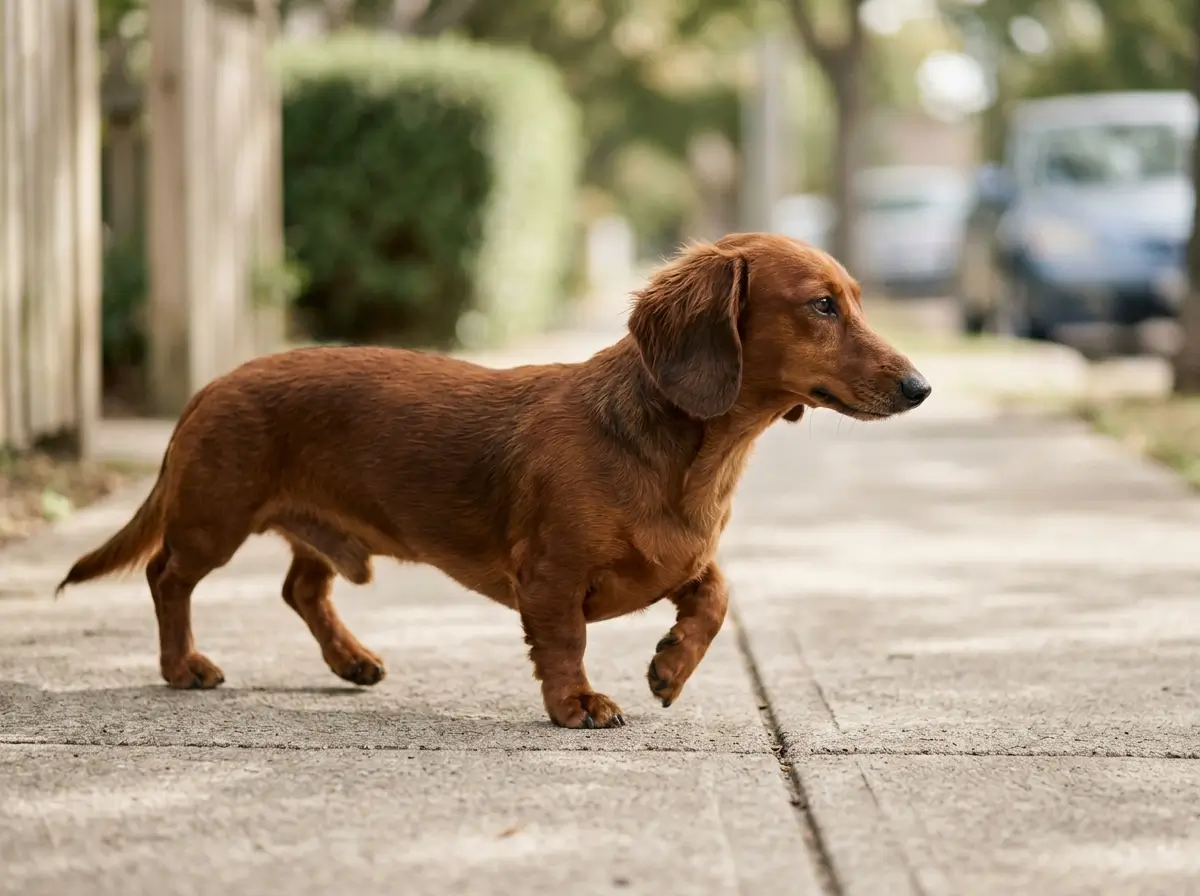
The Dachshund is the one breed here that comes with an asterisk. Day to day it is genuinely cheap: a smooth-coat Dachshund needs no salon visits, eats like the small dog it is, and fits an apartment without complaint. But the breed’s long spine carries a real risk of intervertebral disc disease, and a single surgical episode can run into the thousands. That risk is manageable and not inevitable. Keeping the dog lean, discouraging stair and furniture jumping, and using a ramp costs almost nothing and meaningfully lowers the odds. This is the breed where pet insurance earns its premium rather than being an optional extra.
- Initial cost: $150–$400 adoption; $800–$2,000 from a breeder
- Food: $15–$28 per month
- Grooming: $0–$60 per year for smooth coats; more for wirehaired
- Routine care: $400–$700 per year
- Adult size: 11–32 lb
- Estimated annual cost: $800–$1,300
- Best budget advantage: Low food and grooming costs in a long-lived dog
- Budget concern: Spinal disease; insurance is close to essential
Retired Racing Greyhound Adoption Savings
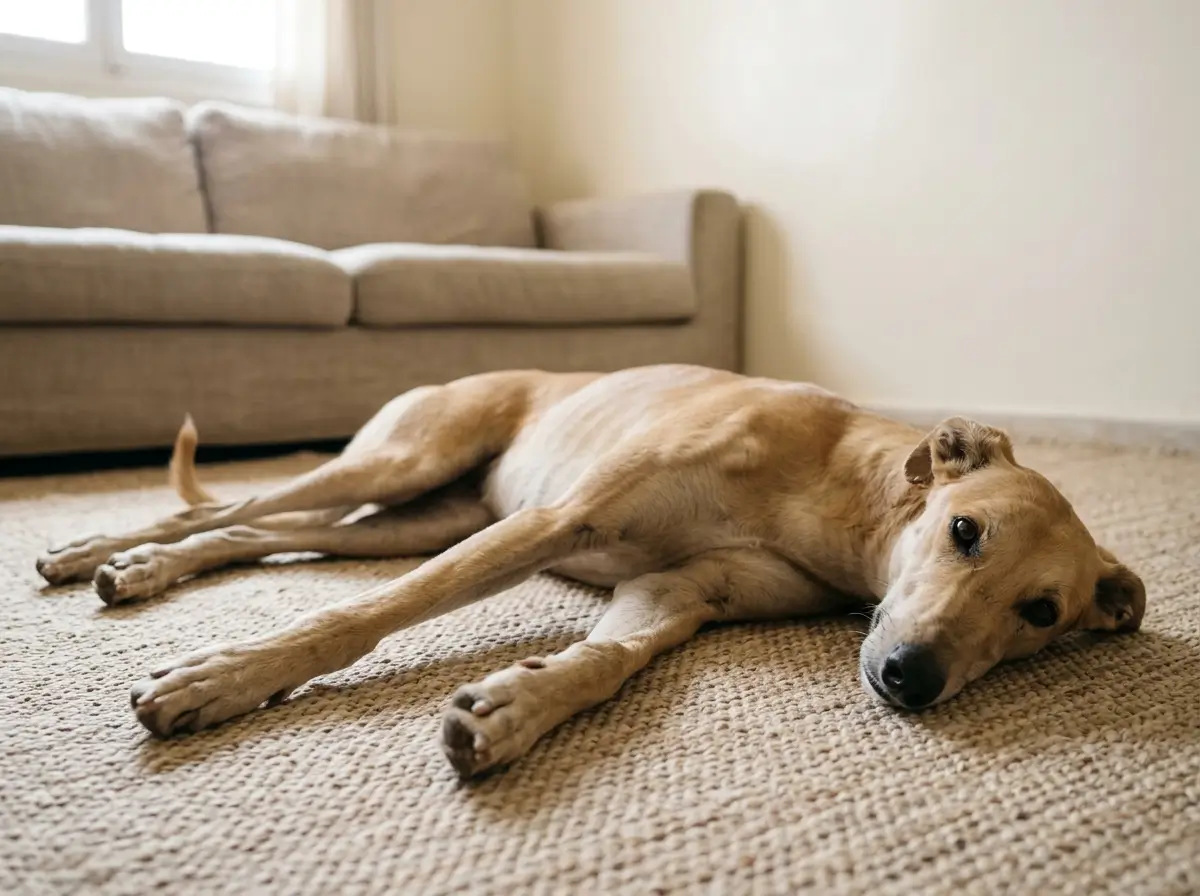
Most people assume a 70-pound dog cannot belong on a budget list. Greyhounds are the exception, largely because of how they arrive. Adoption groups typically place retired racers already neutered, vaccinated, microchipped, and dentally treated, which bundles several hundred dollars of veterinary work into a fee of a few hundred. From there the running costs stay low: the coat is barely there, shedding is minimal, and despite the athlete’s reputation these dogs sleep most of the day and are satisfied by two short walks and one weekly sprint in a fenced space.
Tip: Ask the adoption group what the fee actually includes. A $350 fee covering spay/neuter, dental work, and a full vaccine series is often cheaper in real terms than a $75 fee that covers none of it.
- Initial cost: $200–$500 adoption, usually including major vet work
- Food: $45–$70 per month
- Grooming: $0–$40 per year
- Routine care: $450–$800 per year
- Adult size: 55–85 lb
- Estimated annual cost: $1,200–$1,800
- Best budget advantage: Adoption fee bundles hundreds of dollars of vet care
- Budget concern: Large-dog food and medication doses; winter coats needed
Mixed-Breed Shelter Dogs Cost the Least
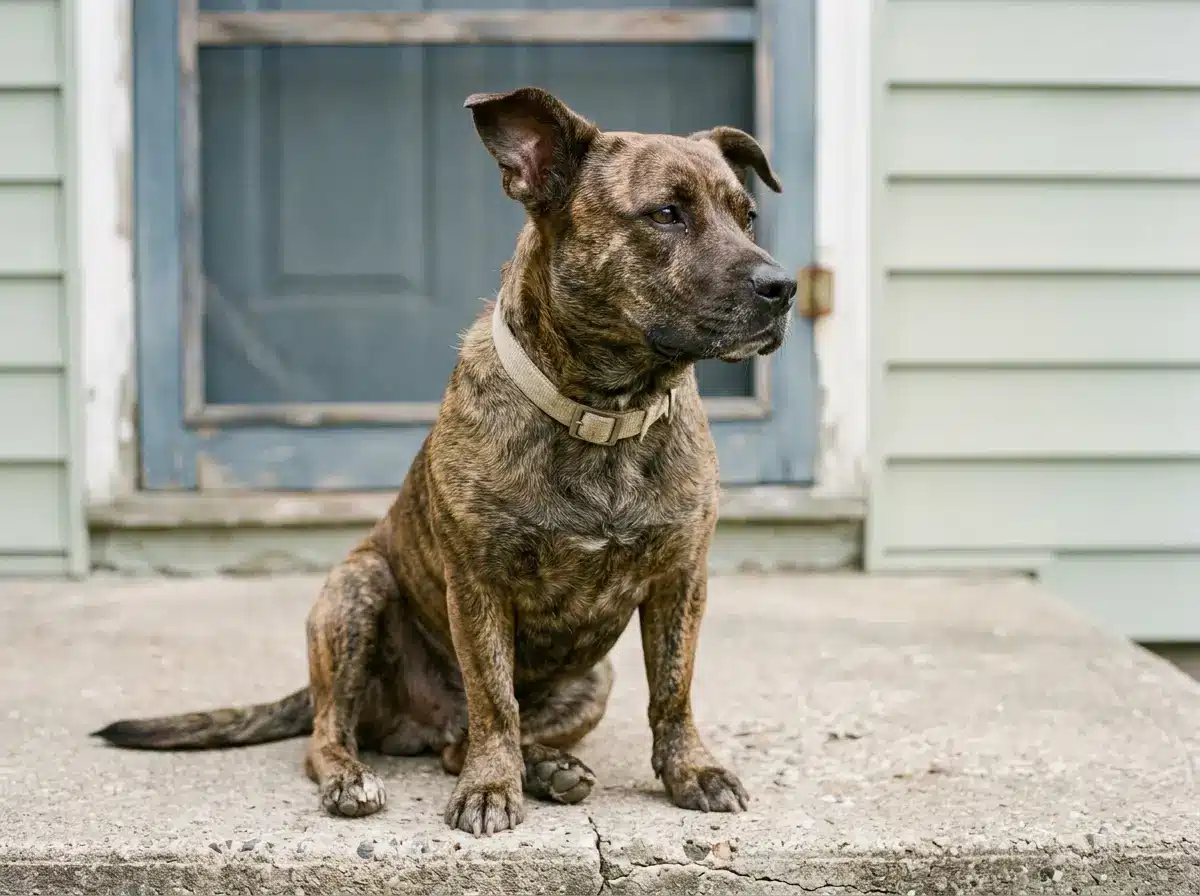
If the goal is the lowest possible entry cost, nothing beats a mixed-breed shelter dog. Fees frequently sit between free and $250, and that number almost always covers spay or neuter, core vaccines, deworming, and a microchip. Buying the same package separately would cost several hundred dollars. Mixed ancestry also spreads genetic risk across a wider pool, so mixes tend to avoid the concentrated breed-specific problems that generate the biggest bills. The unknowns are real, though. A shelter puppy’s adult size is a guess, and adult size is the single biggest driver of lifetime food and medication costs.
- Initial cost: $0–$250, typically including spay/neuter and vaccines
- Food: $20–$55 per month depending on adult size
- Grooming: $0–$120 per year depending on coat
- Routine care: $350–$750 per year
- Adult size: Varies widely
- Estimated annual cost: $700–$1,500
- Best budget advantage: The cheapest possible first year, by a wide margin
- Budget concern: Unknown adult size and coat type in puppies
Adopting an adult rather than a puppy removes most of that guesswork, and it is the same principle as eliminating wasted expenses elsewhere in a budget: you are paying for certainty instead of paying twice.
Jack Russell Terrier for Active Households
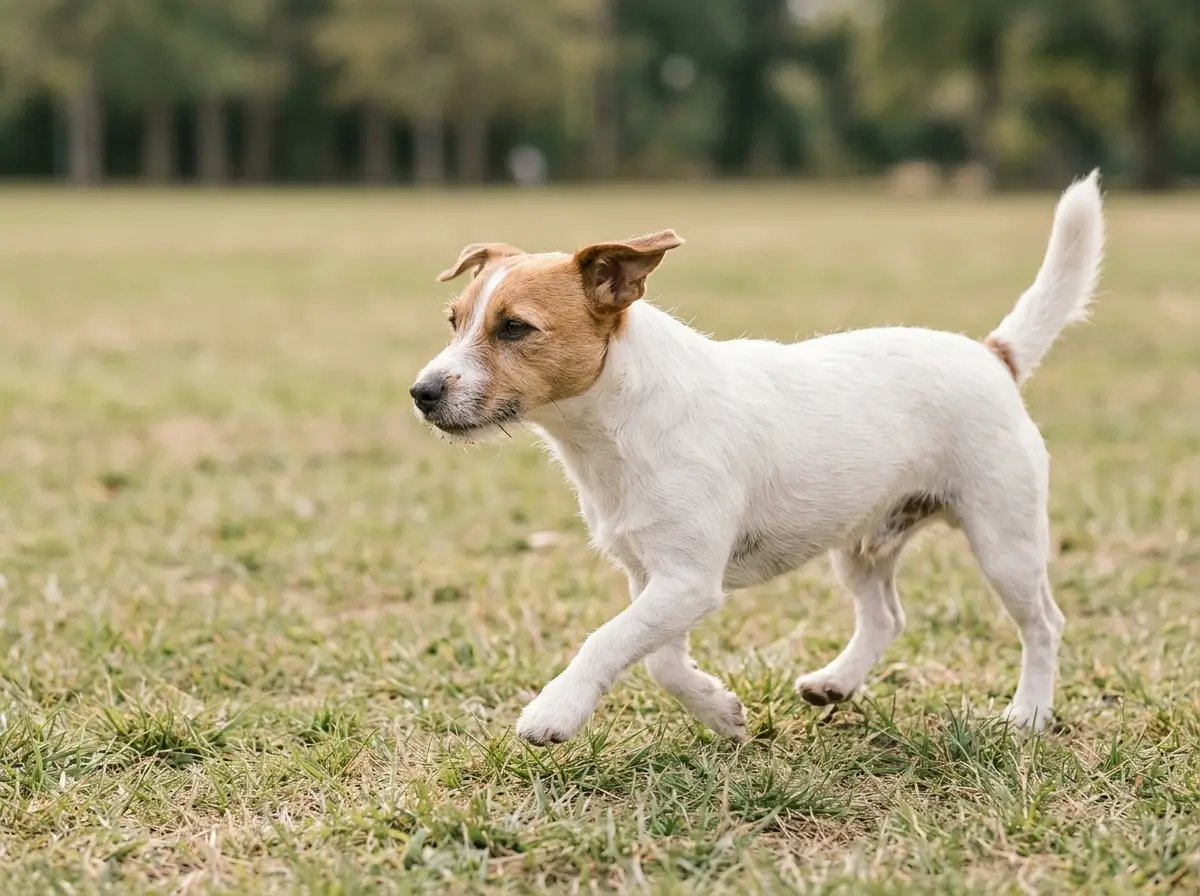
Ask a vet which small dogs they rarely see for chronic illness and the Jack Russell comes up quickly. Bred for function rather than appearance, this is a compact, athletic, unexaggerated dog with a lifespan that routinely reaches 14 to 16 years. Smooth coats need brushing and nothing else. Food costs are small-dog costs. The savings only hold, however, if the household can supply real exercise, because a Jack Russell with unspent energy will find work of its own, usually involving your baseboards or your fence line. This is a cheap dog for an active person and an expensive one for a sedentary household.
- Initial cost: $150–$400 adoption; $800–$1,500 from a breeder
- Food: $18–$30 per month
- Grooming: $0–$60 per year; broken coats need occasional hand-stripping
- Routine care: $350–$650 per year
- Adult size: 13–17 lb
- Estimated annual cost: $750–$1,250
- Best budget advantage: Exceptional longevity with few chronic conditions
- Budget concern: Secure fencing and daily exercise are non-negotiable
Australian Cattle Dog Built for Longevity
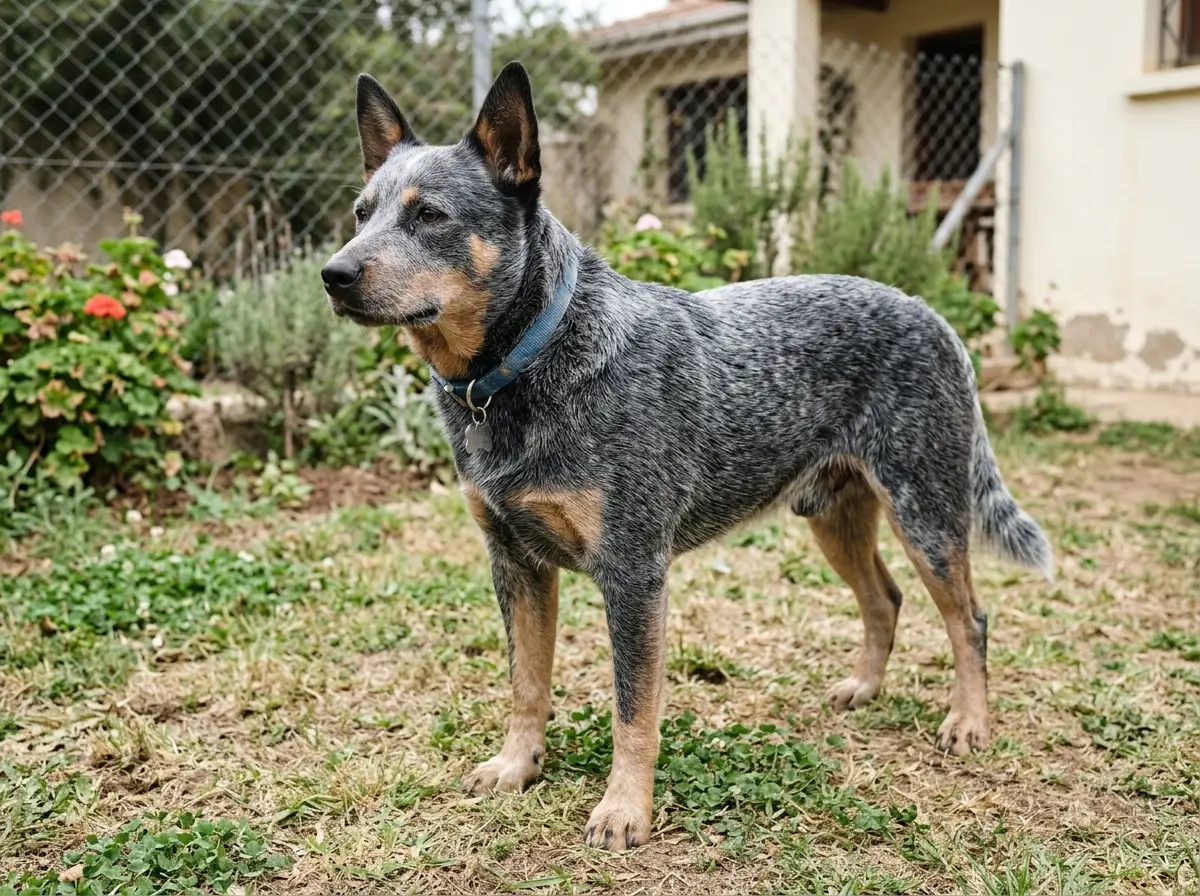
Cattle dogs were bred to move livestock across Australian distances in heat, and the breeding priorities were soundness and stamina rather than looks. The result is a dog that stays out of the clinic. Cattle dogs are among the longest-lived medium breeds and commonly work into old age. The double coat looks like it should be expensive but is not: it sheds heavily twice a year and otherwise needs a weekly brush, never a trim. At 35 to 50 pounds the food bill is moderate. Skip the professional grooming budget entirely and spend it on a decent long lead instead.
- Initial cost: $150–$400 adoption; $700–$1,800 from a breeder
- Food: $35–$50 per month
- Grooming: $0–$60 per year
- Routine care: $400–$700 per year
- Adult size: 35–50 lb
- Estimated annual cost: $1,000–$1,500
- Best budget advantage: Long working life with low veterinary frequency
- Budget concern: Daycare or walkers get expensive if exercise needs go unmet
Miniature Pinscher in a Small Apartment
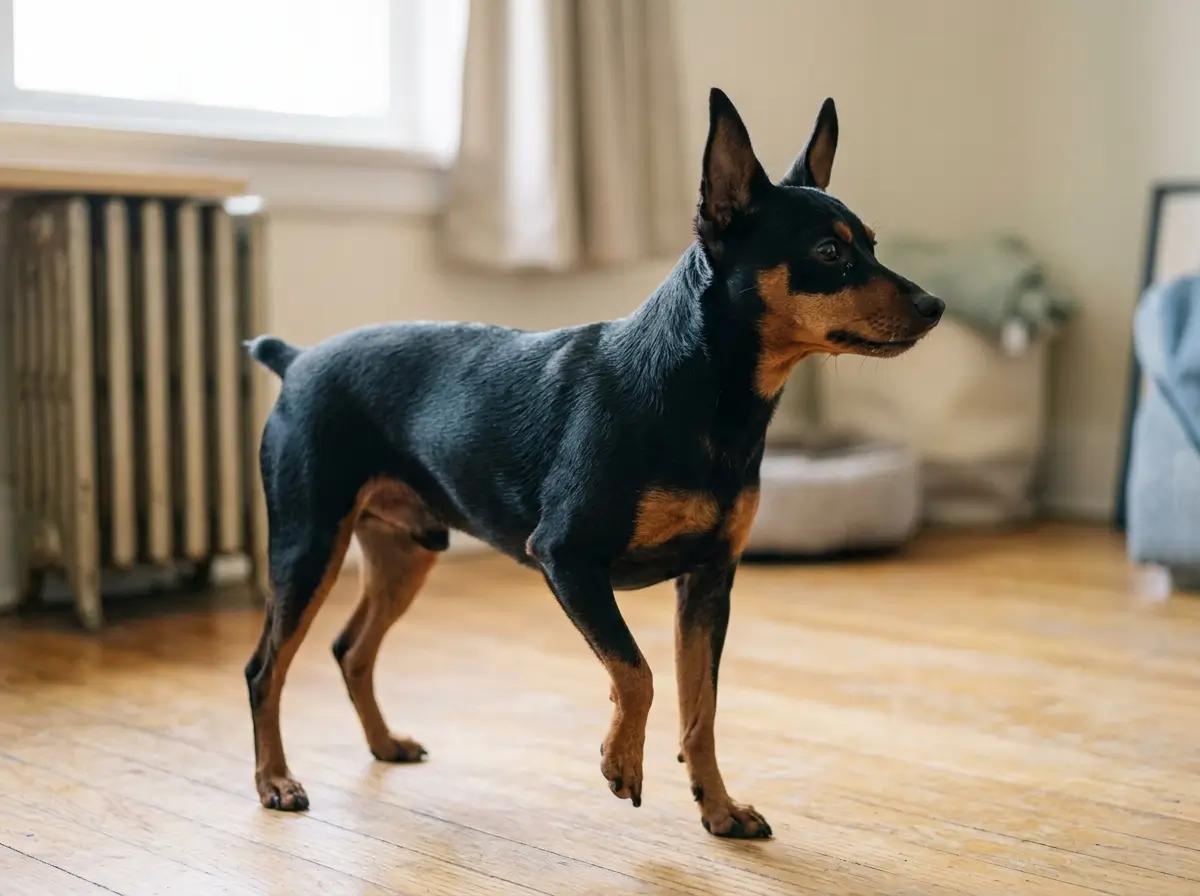
In an apartment, size is a line item. A Miniature Pinscher tops out around 11 pounds, which keeps you under most weight-based pet rent tiers, keeps food in the cheapest bracket, and means every accessory you buy is the small, inexpensive version. The hard, close coat is essentially maintenance-free. What surprises people is how much dog is inside that frame: min pins are busy, confident, and genuinely athletic, so indoor play and a couple of walks are enough exercise without any paid services. Buy one good sweater, because they lose heat fast and shiver through winter walks.
- Initial cost: $100–$300 adoption; $600–$1,500 from a breeder
- Food: $12–$22 per month
- Grooming: $0–$40 per year
- Routine care: $350–$650 per year
- Adult size: 8–11 lb
- Estimated annual cost: $700–$1,100
- Best budget advantage: Fits under low pet-rent weight limits
- Budget concern: Knee and dental issues common in toy breeds
A small dog in a small space also means less damage to absorb, which matters if you have been slowly assembling a home with affordable living room decor. Washable rugs and a covered sofa cost far less than replacing either one.
American Foxhound for Rural Budget Homes
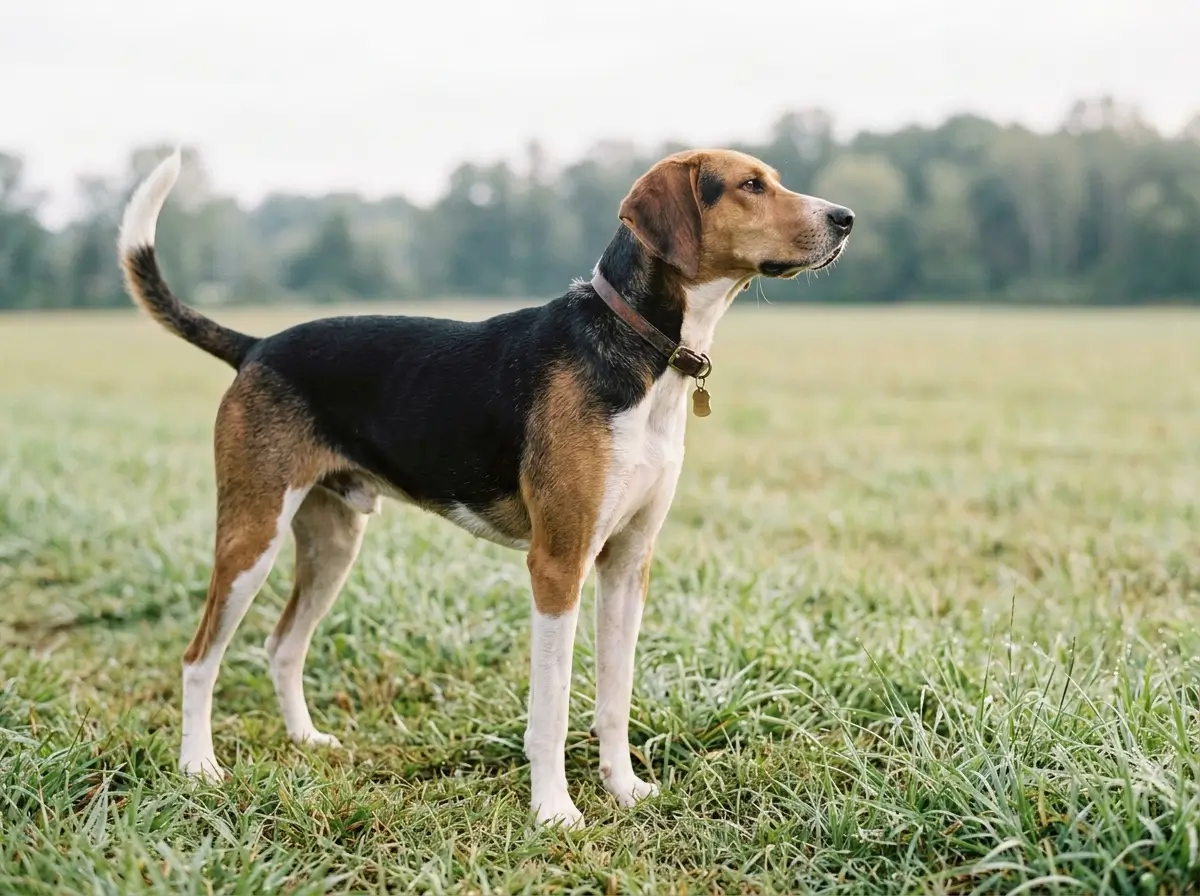
American Foxhounds are among the least commercially bred dogs in the country, which keeps acquisition costs remarkably low and makes them frequent residents of rural shelters. They are also strikingly healthy. The breed carries very few of the inherited conditions that inflate lifetime veterinary spending, and the short coat asks nothing beyond a brush. The honest limitation is housing. A Foxhound needs space and a tall, secure fence, and the voice carries for a long way, so this is a countryside or large-lot dog rather than a suburban duplex one. Where the setting fits, few large breeds cost less.
- Initial cost: $100–$350 adoption; rarely sold commercially
- Food: $40–$60 per month
- Grooming: $0–$50 per year
- Routine care: $400–$750 per year
- Adult size: 60–70 lb
- Estimated annual cost: $1,100–$1,600
- Best budget advantage: Very few inherited health problems
- Budget concern: Fencing costs and noise complaints in close housing
Whippet: Quiet, Clean, Cheap to Keep
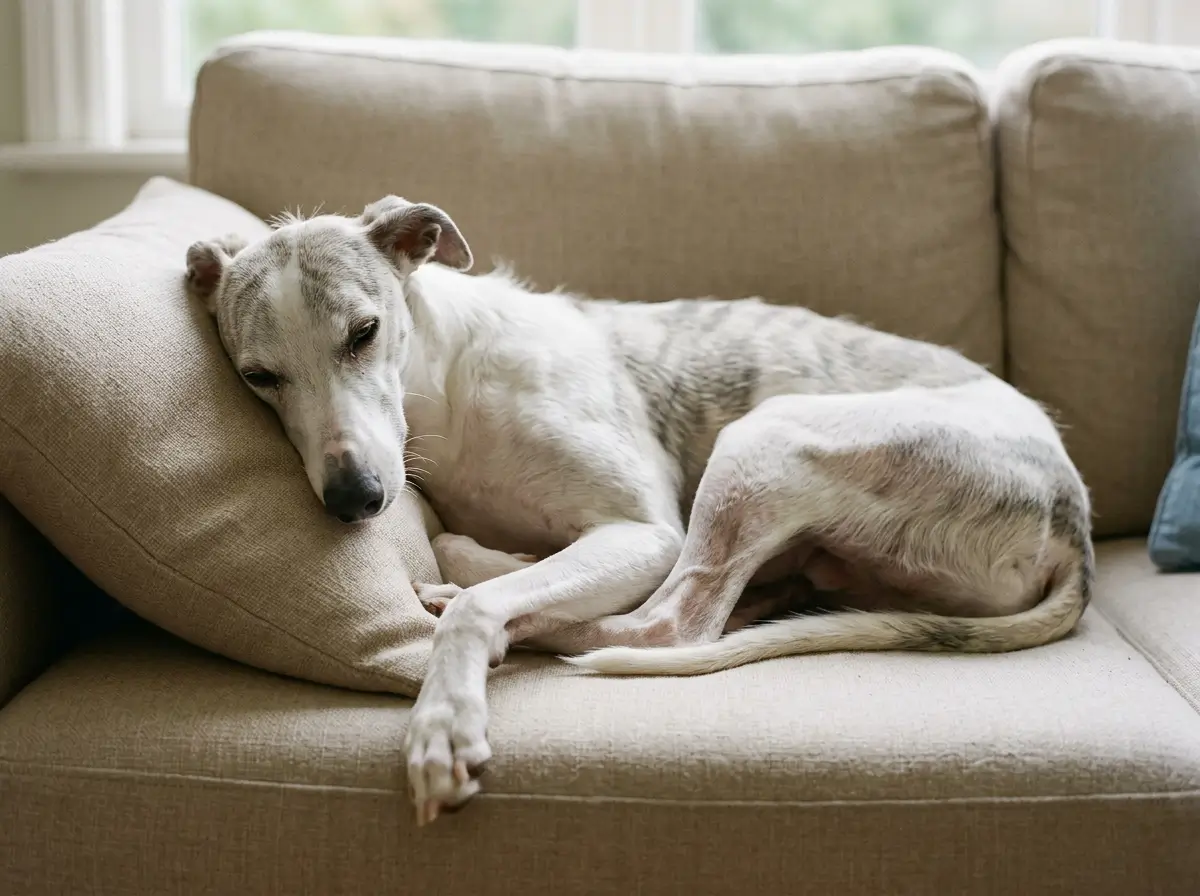
A Whippet sheds so little that many owners never buy a lint roller, and the coat is so short that grooming amounts to wiping the dog down occasionally. At 25 to 40 pounds the food bill stays modest, and they are famously quiet indoors, sleeping through most of the day in a way that keeps apartment living peaceful and dog-walker costs at zero. The real budget note is anesthesia. Sighthounds metabolize some drugs differently because of their low body fat, so any surgery needs a vet who knows the breed. Mention it when booking, not afterwards.
- Initial cost: $200–$450 adoption; $1,000–$2,000 from a breeder
- Food: $28–$45 per month
- Grooming: $0–$30 per year
- Routine care: $400–$700 per year
- Adult size: 25–40 lb
- Estimated annual cost: $900–$1,400
- Best budget advantage: Almost no shedding, grooming, or noise-related costs
- Budget concern: Winter coats needed; anesthesia requires a breed-aware vet
Toy Fox Terrier’s Low Lifetime Costs
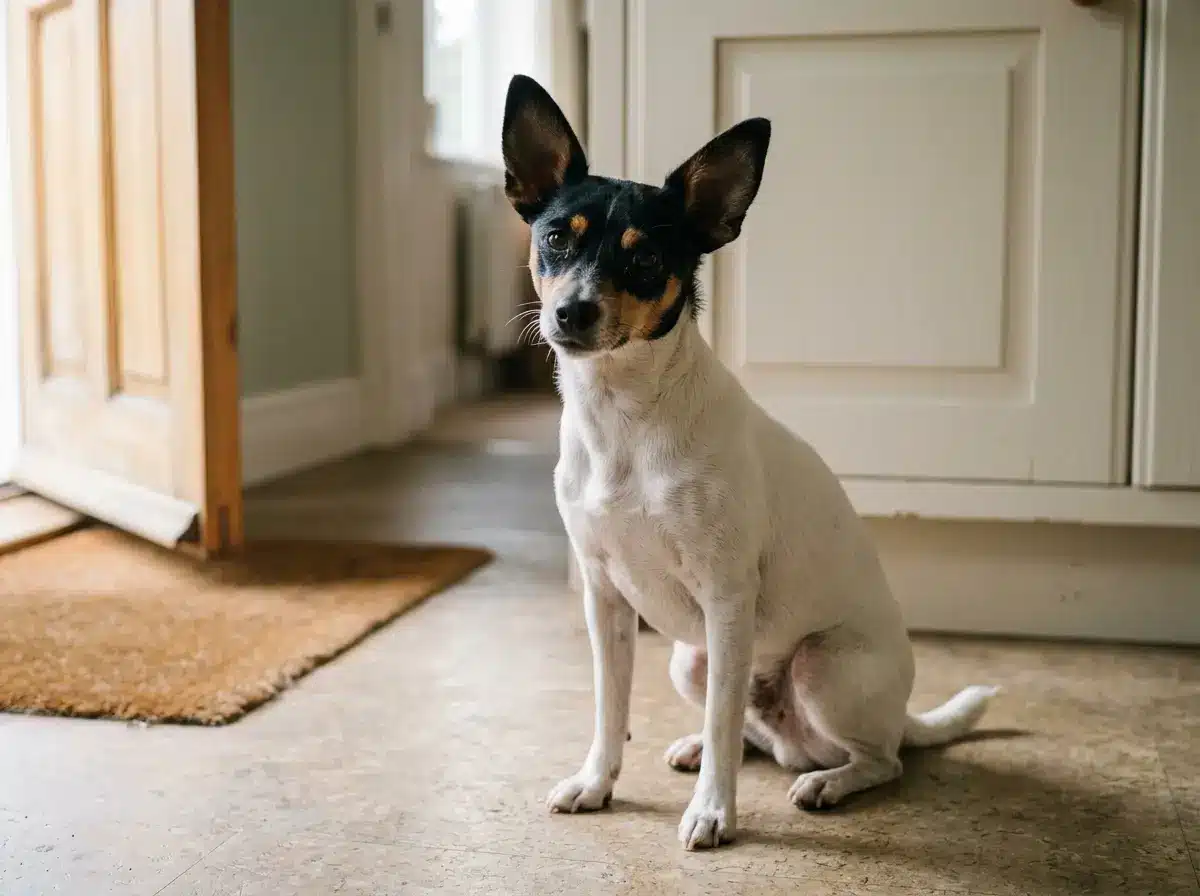
Over a fifteen-year life, the Toy Fox Terrier may be the least expensive dog on this list. It weighs under seven pounds, so the food line is close to negligible and every dose of preventive medication falls in the cheapest weight band. The coat is a smooth, single layer that requires a rubber mitt and nothing more. Unlike many toy breeds it is a true terrier, sturdy and self-possessed rather than delicate, with a long healthy span typical of the group. Keep up the at-home tooth brushing, which is the one habit that reliably prevents the expensive dental work small breeds are prone to.
- Initial cost: $100–$350 adoption; $800–$1,500 from a breeder
- Food: $10–$20 per month
- Grooming: $0–$30 per year
- Routine care: $350–$650 per year
- Adult size: 3.5–7 lb
- Estimated annual cost: $650–$1,050
- Best budget advantage: The lowest food and medication costs of any breed here
- Budget concern: Dental care and knee issues if home care lapses
Food, preventives, and supplies are all things you buy on a predictable schedule, which makes them ideal candidates for stacking discounts. Our roundup of hidden deals and discounts works just as well on a pet-supply order as on groceries.
Plott Hound, an Overlooked Shelter Bargain
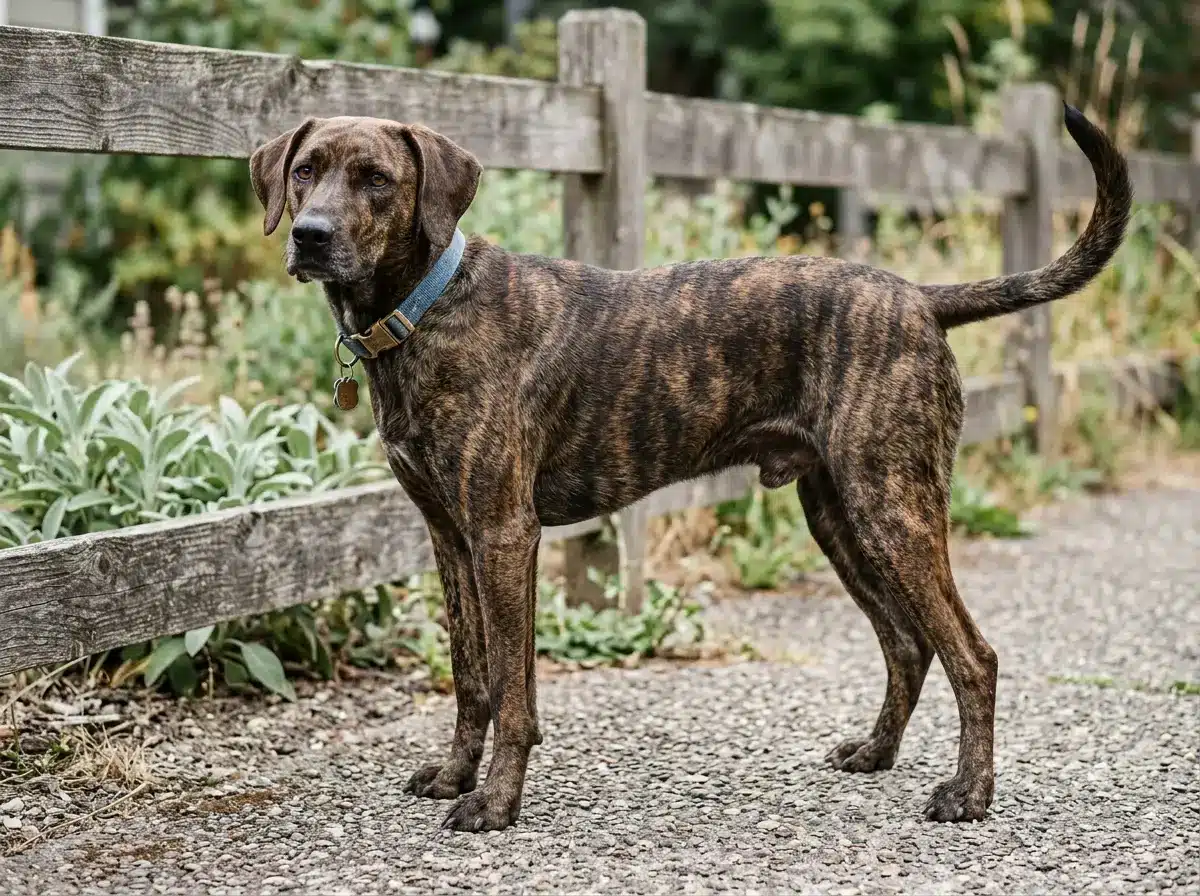
Walk into almost any shelter in the Southeast and you will meet a brindle hound with a name-tag guess of “Plott mix.” They are everywhere, they are overlooked, and adoption fees for them are often the lowest in the building. That is a bargain rather than a warning: Plotts are muscular, weather-hardy working hounds with a short coat, few breed-specific health problems, and a genuinely affectionate temperament at home. Budget for a solid fence and accept that you have adopted a voice. In exchange you get a 45-pound dog whose grooming costs round to zero.
- Initial cost: $50–$250 adoption; very common in shelters
- Food: $35–$55 per month
- Grooming: $0–$50 per year
- Routine care: $400–$700 per year
- Adult size: 40–60 lb
- Estimated annual cost: $950–$1,450
- Best budget advantage: Among the lowest adoption fees for a healthy medium dog
- Budget concern: Strong prey drive means fencing is a real expense
Manchester Terrier for Wash-and-Go Coats
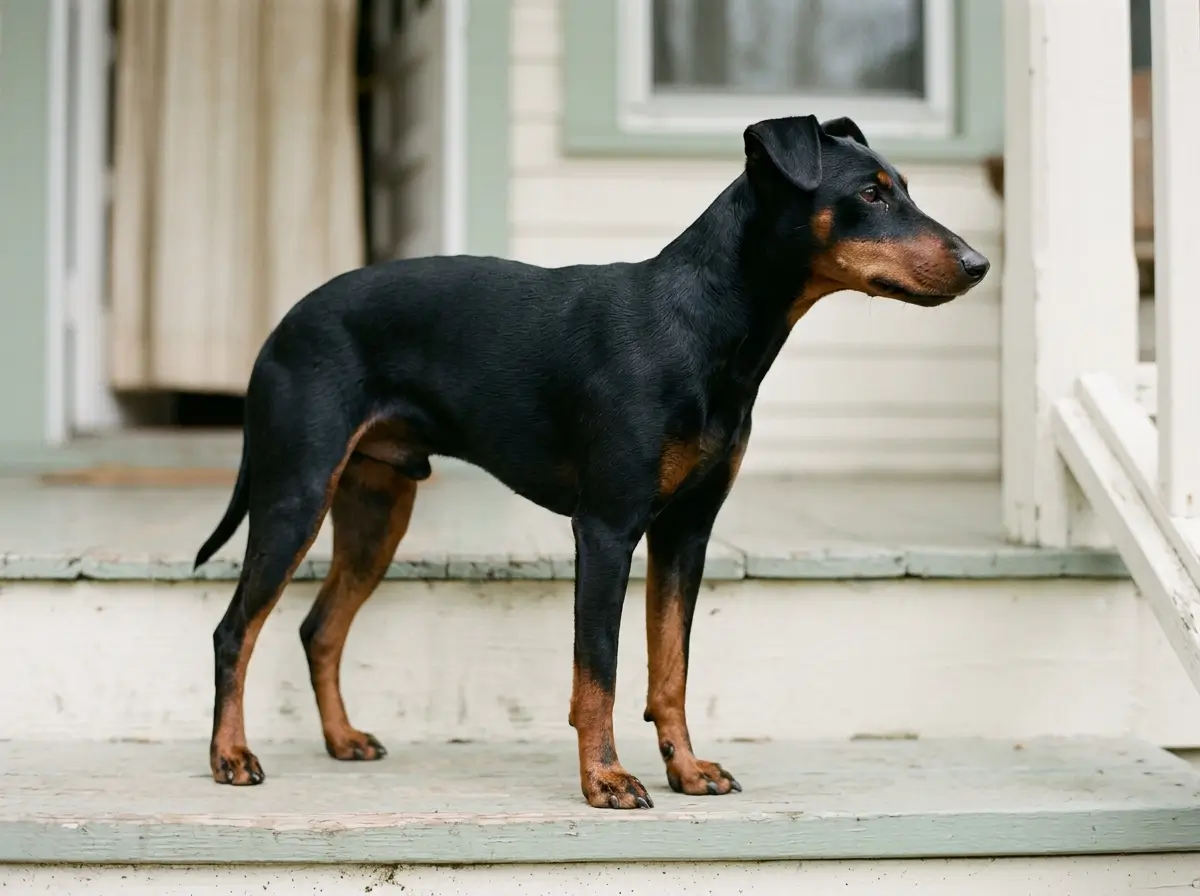
The Manchester Terrier’s coat is the definition of wash-and-go. It is short, glossy, and tight enough that dirt brushes off when dry, so the annual grooming budget is a bottle of shampoo and a nail clipper. Manchesters come in two sizes, toy and standard, and both stay well under 25 pounds, keeping food costs low. They are also long-lived and relatively free of the joint problems that plague similarly sized breeds. The practical hurdle is availability: this is an uncommon breed, so a rescue placement can take months of waiting rather than a weekend of shelter visits.
- Initial cost: $150–$400 adoption; $800–$1,800 from a breeder
- Food: $15–$28 per month
- Grooming: $0–$30 per year
- Routine care: $350–$650 per year
- Adult size: 12–22 lb
- Estimated annual cost: $750–$1,200
- Best budget advantage: Effectively zero coat maintenance for 12 to 15 years
- Budget concern: Rare enough that waiting for a rescue takes patience
Papillon: Small Dog, Small Vet Bills
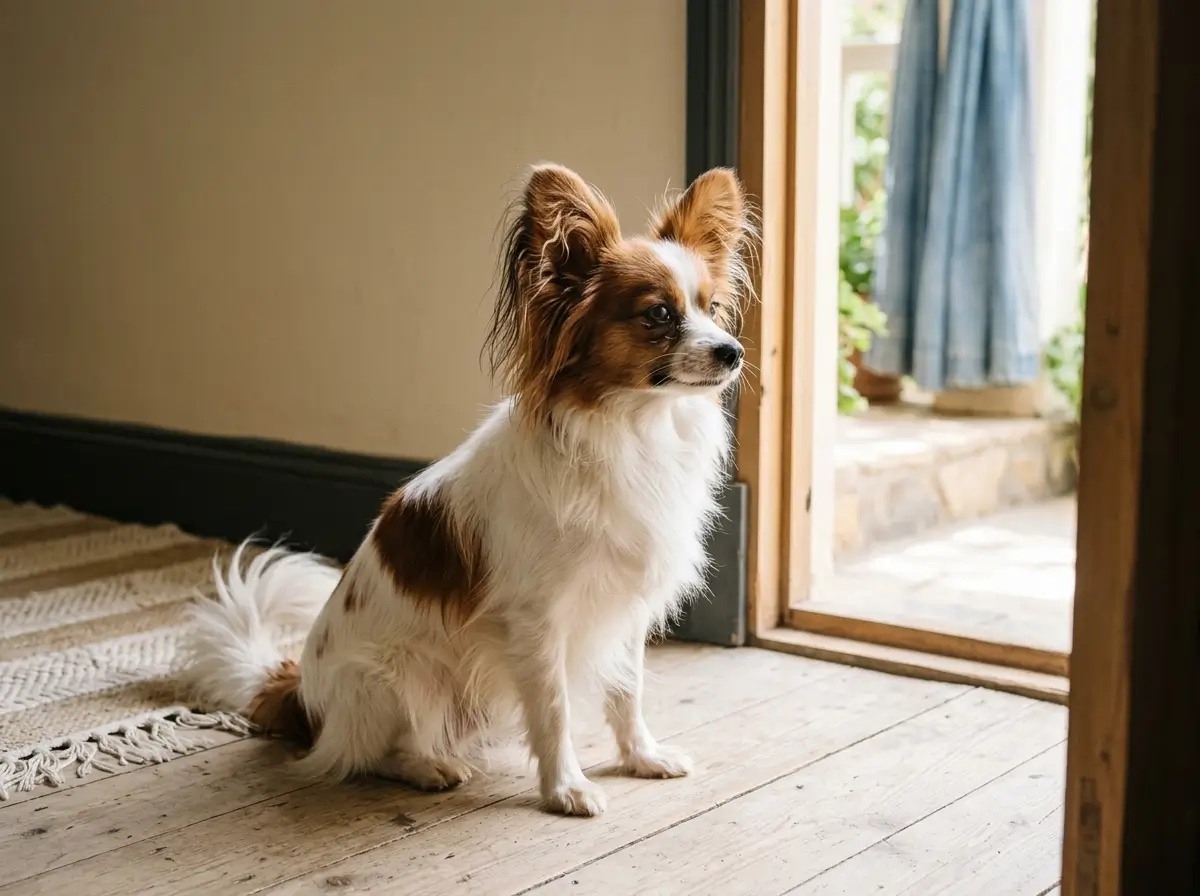
That long, feathered coat looks expensive. It is not. Papillons have a single coat with no woolly undercoat, which means it does not mat the way a Shih Tzu’s does and never needs cutting or shaping, so a professional groomer is optional rather than a standing appointment. A few minutes of brushing a week keeps it right. Add a five to ten pound body, a food bill in the lowest bracket, and a breed known for reaching 14 to 16 years in good health, and the lifetime arithmetic is unusually kind. Brush the teeth and watch the knees.
- Initial cost: $150–$400 adoption; $1,000–$2,000 from a breeder
- Food: $12–$22 per month
- Grooming: $0–$60 per year, no trimming required
- Routine care: $350–$650 per year
- Adult size: 5–10 lb
- Estimated annual cost: $700–$1,150
- Best budget advantage: A long coat that never needs a professional cut
- Budget concern: Dental disease and patellar luxation, as with most toys
Frequently Asked Questions
What is the cheapest dog breed to own overall?
Measured across a full lifetime, the smallest short-coated breeds win: Toy Fox Terrier, Chihuahua, and Miniature Pinscher all sit near the bottom because they combine minimal food intake, cheap medication doses, and zero grooming. If you are measuring only the first year, a mixed-breed shelter dog is almost always cheapest, since the adoption fee usually includes spay or neuter, vaccines, and a microchip.
Is adopting really cheaper than buying from a breeder?
Almost always, and the gap is bigger than the fee difference suggests. A breeder puppy costs $800 to $2,000 and still needs spay or neuter, a full vaccine series, and a microchip afterward. A $150 shelter adoption typically includes all three. The ASPCA’s low-cost spay/neuter database is worth checking either way.
Do small dogs always cost less than big dogs?
No. Size drives food and medication costs, but coat type and breed health often matter more. A 60-pound Greyhound with a bare coat and few genetic problems can cost less per year than a 15-pound Poodle mix needing a $90 groom every six weeks. Coat is the expense people forget to price before they choose.
How much should I budget for a dog each month?
For the breeds in this guide, roughly $60 to $130 a month covers food, preventive medication, and a share of the annual vet visit. Set aside a separate emergency fund of $1,000 to $1,500 rather than folding it into the monthly figure, because emergencies are lumpy and will not arrive on schedule.
Is pet insurance worth it on a tight budget?
It depends on the breed and your cash reserves. For breeds with a known expensive risk, such as the Dachshund’s spinal disease, insurance often makes sense. For a healthy small terrier, a dedicated savings account can serve the same purpose without premiums. The ASPCA’s guidance on cutting pet care costs covers the preventive habits that reduce the odds of needing either.
More You’ll Like
- Budget-friendly DIY home decor projects — the same skills make a decent dog bed or feeding station for a fraction of retail.
- Frugal living tips that actually save money
- How to cut unnecessary expenses without feeling deprived
Choosing the Right Dog for Your Budget
The most affordable dog breeds share a short list of traits: a coat that needs no professional attention, a body small enough to keep food and medication cheap, and a gene pool broad enough to stay out of the clinic. If you want the lowest possible number, look at the Toy Fox Terrier or a mixed-breed shelter adoption. If you want a bigger dog without a bigger bill, a retired Greyhound or a Plott Hound is hard to beat. Pick the one that fits your space and your week, then build the monthly line into your budget before you bring anyone home.